
The Berbie Palace in Albi, France
A quick visit to the exterior of the Berbie Palace in Albi, France.
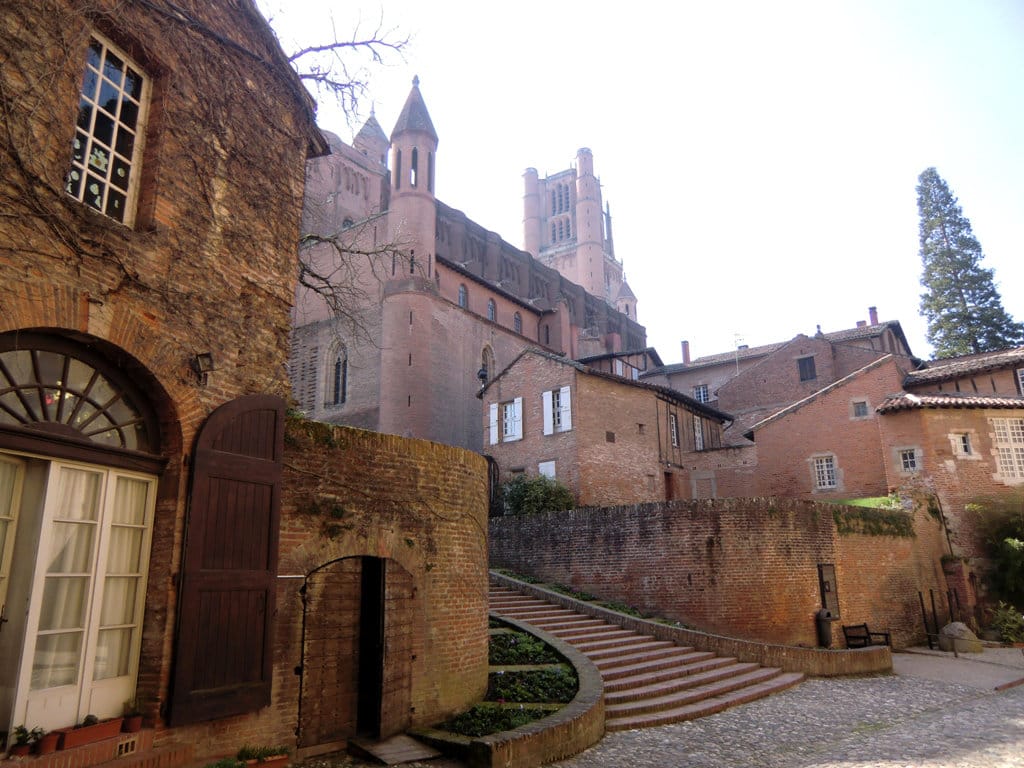
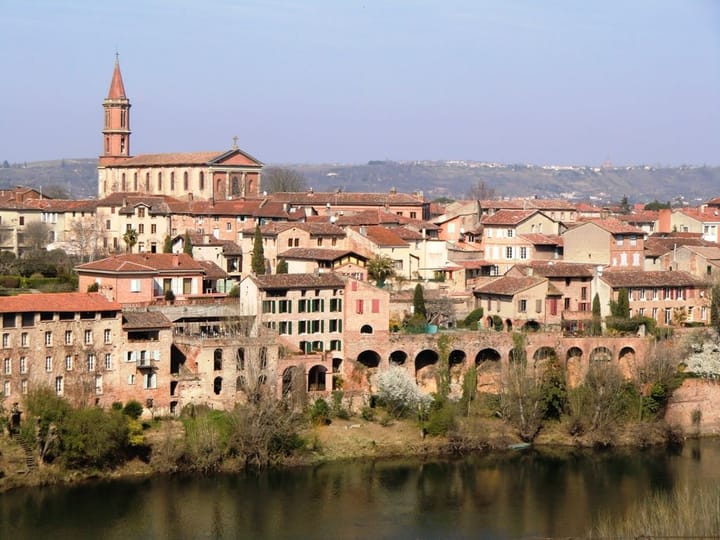
Today, we're returning to Albi, in the south of France for a quick visit of the Berbie Palace.
The palace was built in the 13th century by Durand de Beaucaire, the bishop of Albi at the time. His successors, Bernard de Combret and Bernard de Castanet, enlarged and further fortified the fortress (yes, it's a fortress). The latter also ordered the construction of the Cathedral of Saint Cecilia.
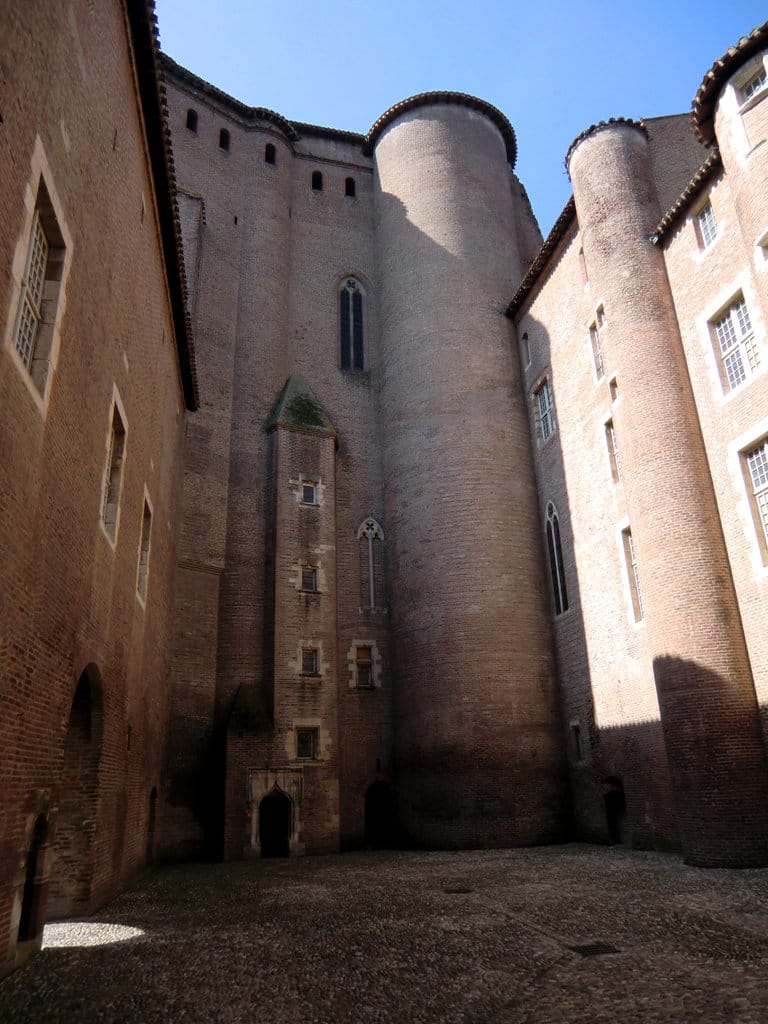
You may ask, "Why did bishops need a fortress?"
Well, the times were not peaceful. The Albigensian Crusade was underway, and the Cathars were not happy about being slaughtered. Also, the local bourgeoisie were also not happy that the episcopate had taken control of their city to use it as their headquarters for the war.
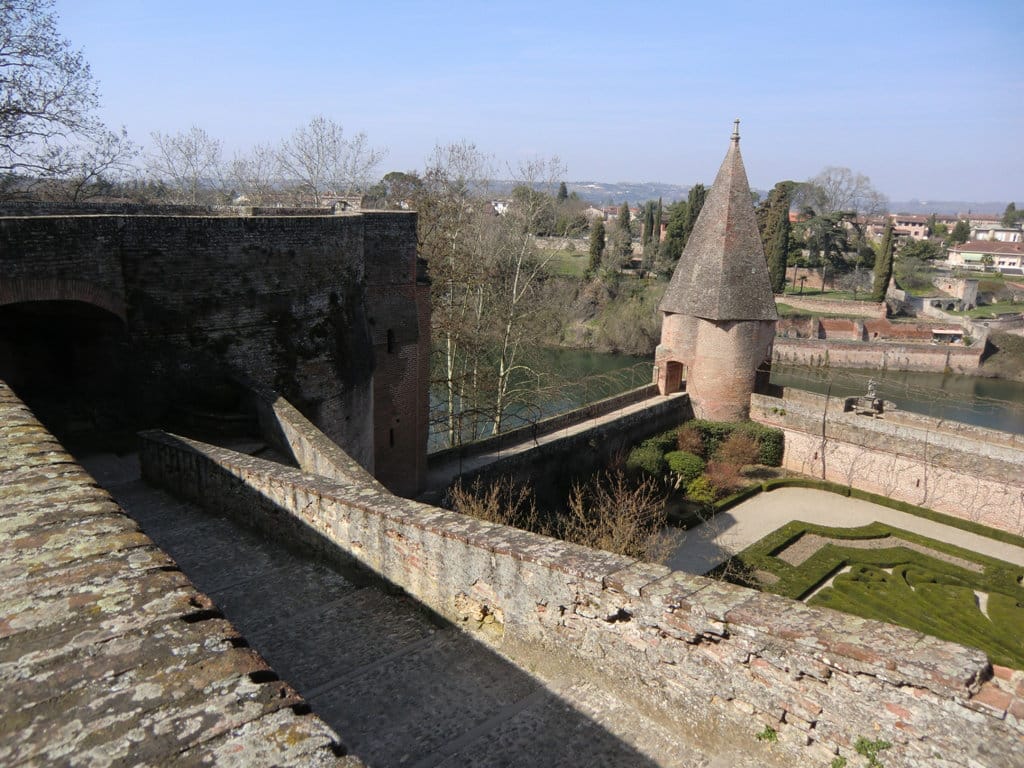
It wasn't until the 17th century, during the reign of Louis XIV, that the fortress was transformed into a more peaceful residence. Most of the walls and defenses were torn down, and a garden was built in place of the former garrison.
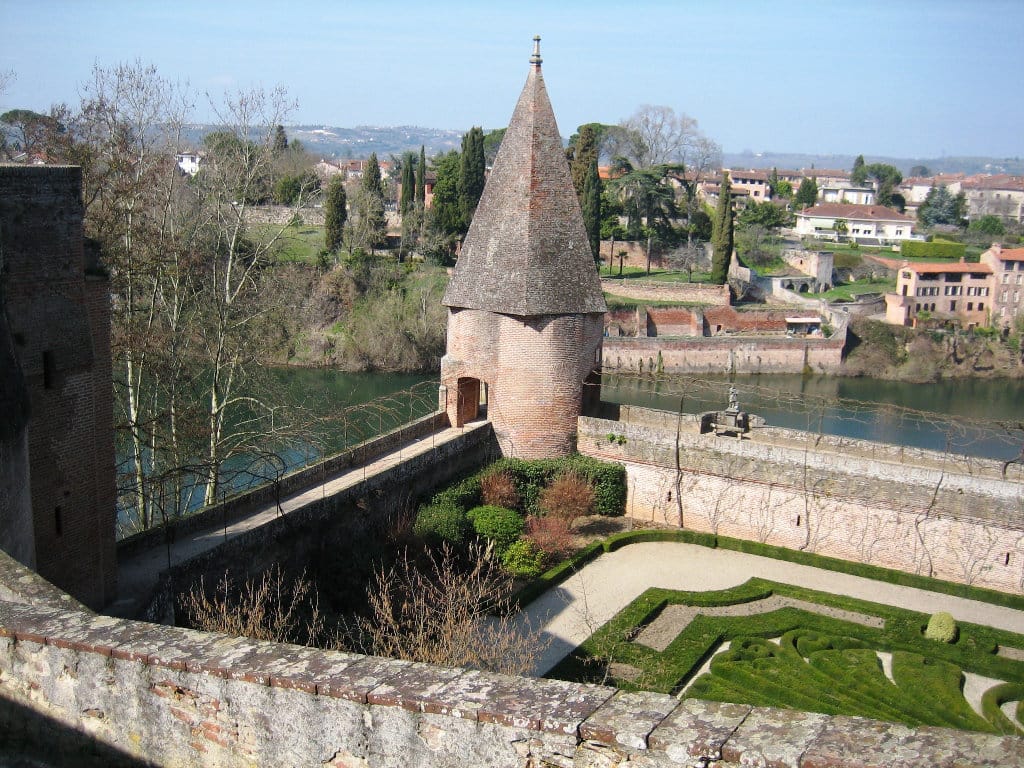
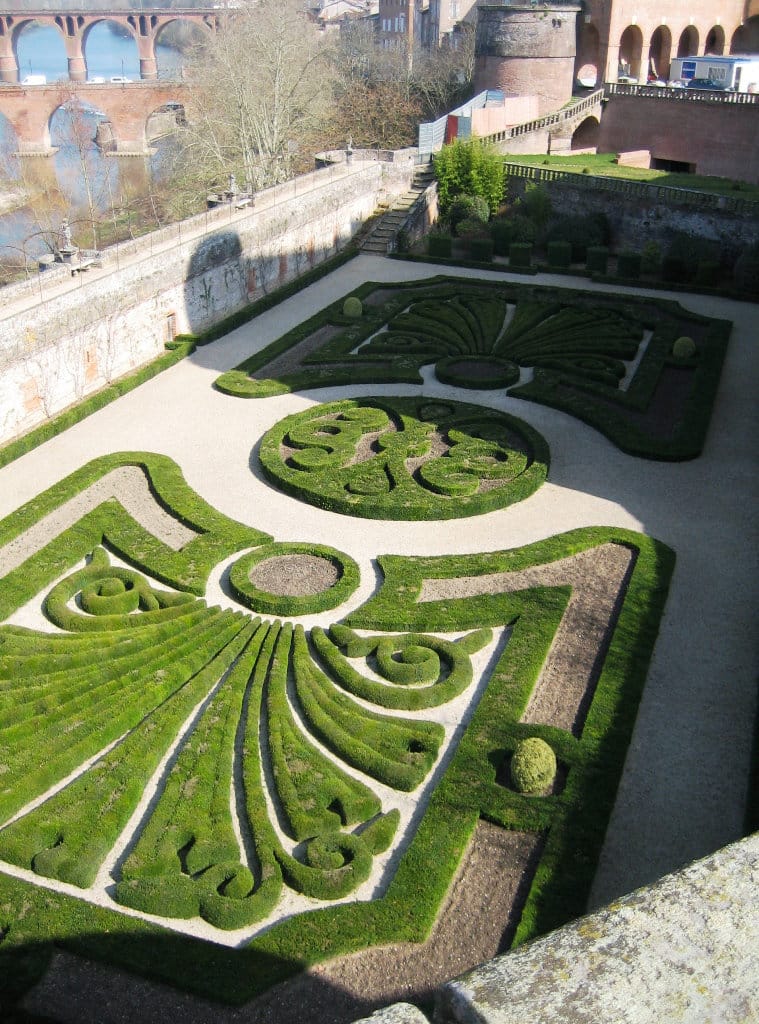
In 1905, the palace ceased to be the bishop's residence under the law of separation of church and state and became the property of the city of Albi.
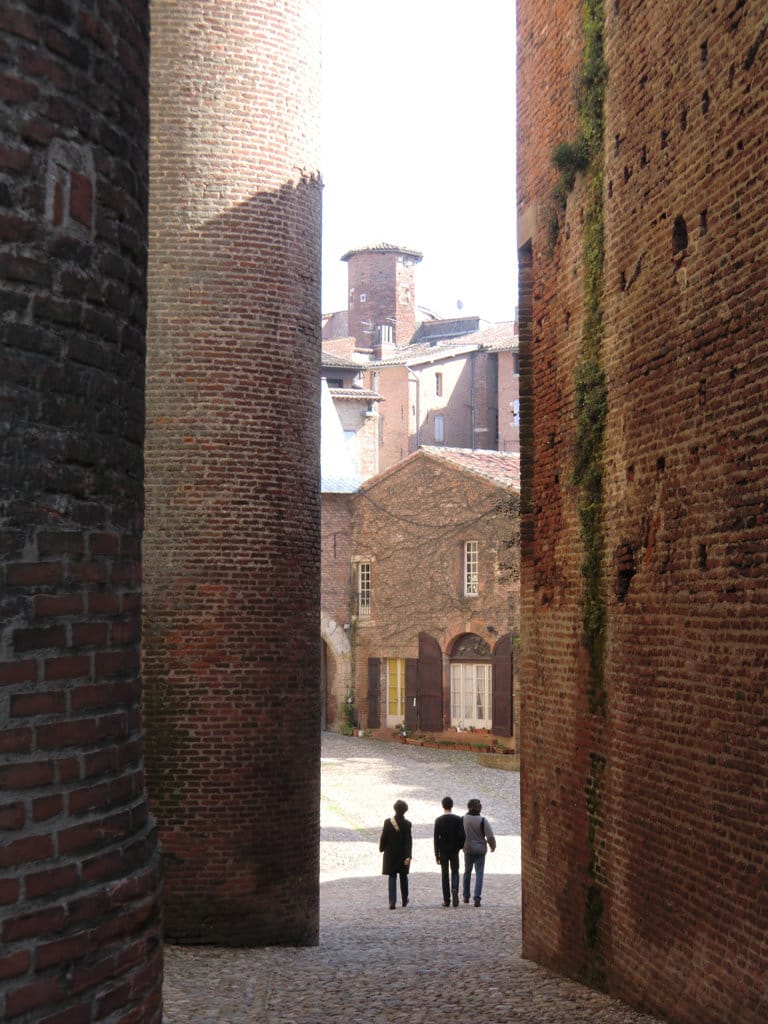
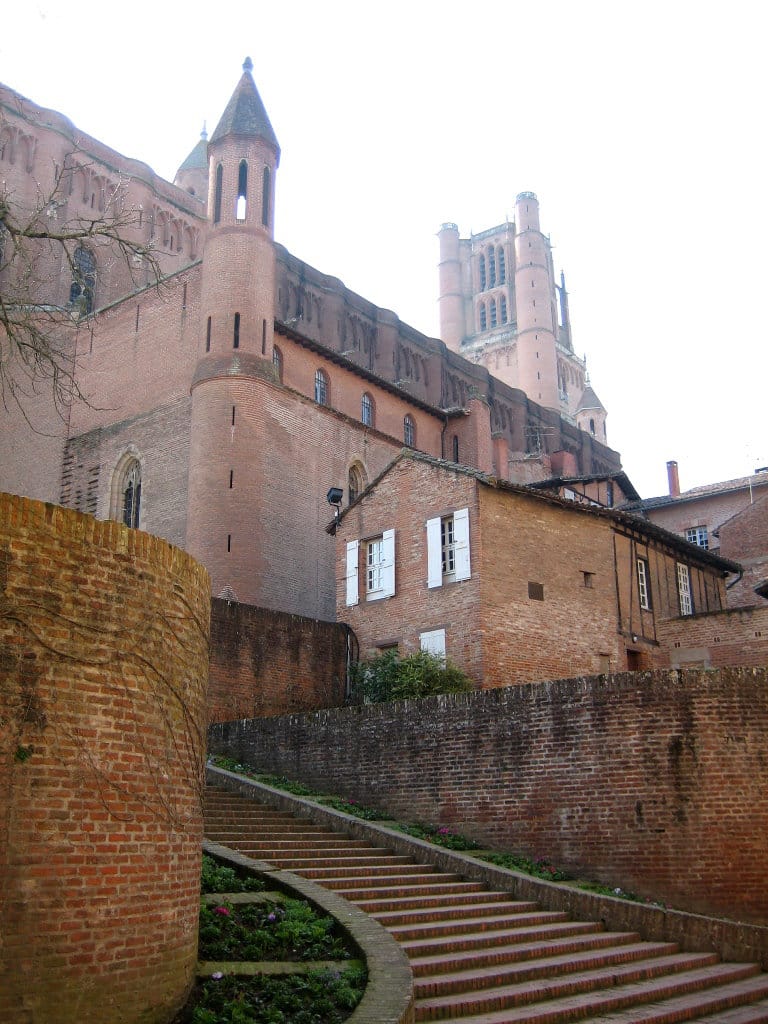
In 1922, the place became the Musée Toulouse Lautrec, which I must admit I haven't visited yet. It houses hundreds of works by the artist.
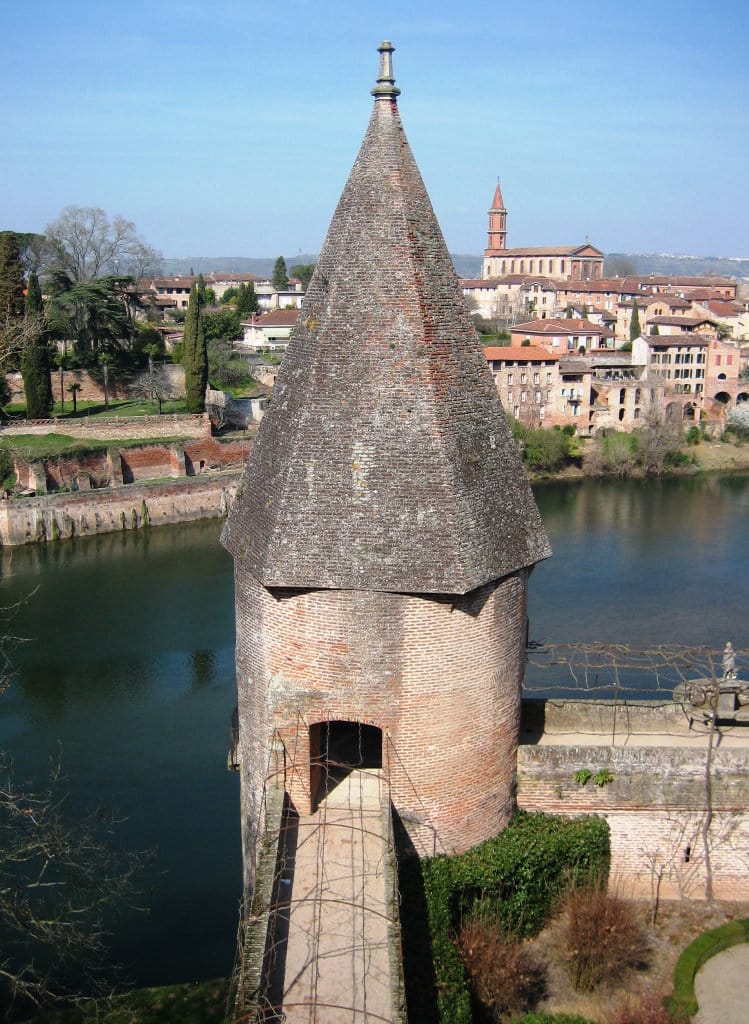
Finally, in 2010, the Berbie Palace, along with the cathedral, became part of the UNESCO World Heritage Sites.
The next time I visit Albi—I'm not sure when that will be—I must see the inside of the palace.
(source: Albi's Tourist Office)
Comments ()