
Maze Town - Phantasmagoric Alleys (目 [mé] - Shodoshima)
![Maze Town - Phantasmagoric Alleys (目 [mé] - Shodoshima)](https://cdn.synaps.media/davidbilla/content/images/size/w1200/2026/10/0-Maze-Town.jpg)
Today's artwork is not new at all; it dates from 2016. However, it's the first time I can show it to you because, until last year, pictures were not allowed.
The piece is called Maze Town - Phantasmagoric Alleys. It's by 目 (pronounced [mé] which means "eye" in Japanese), a collective of artists and creators, whose core group consists of artist Haruka Kojin, director Kenji Minamigawa, and production manager Hirofumi Masui. Artist Chubei Yagyu also contributed to the artwork.
The permanent installation is located in a house situated in the "maze town" that is downtown Tonosho.
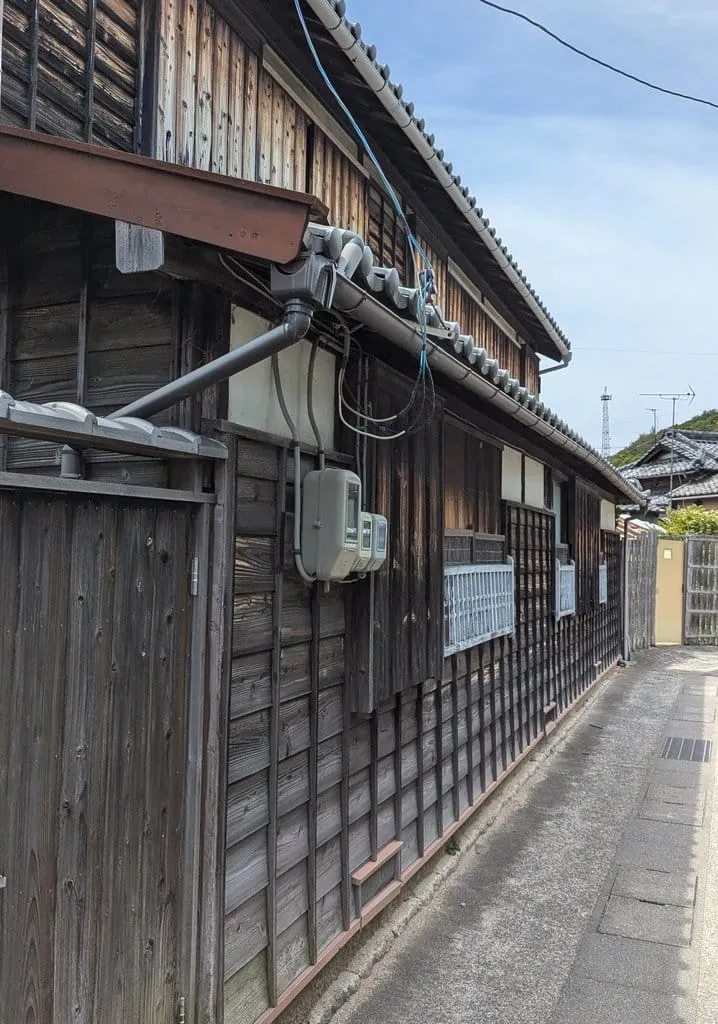
Some context: Tonosho is the largest town on Shodoshima, and its historic center is nicknamed "Meirocho" (Maze Town). The reason is obvious: if you're not familiar with the streets, it's a literal maze, and it's easy to get lost. I know my way around after having been there many times, but I still can't tell you which streets connect to which, and I always expect a few detours when I venture there.
A few years ago, various people, including "Mé" and the people of MeiPam (an art gallery based in Tonosho that is now known as the Yokai Museum) started a large-scale, long-term project. The goal was to transform parts of the "maze town" into an actual maze. The first part of the project was completed for the Setouchi Triennale 2013 and was amazing: a number of abandoned houses in good condition were connected in random ways, and visitors would get lost exploring them. It had a truly surrealist feel. You'd open a cupboard and enter a room. An exit was through a fridge. There were many more unbelievable yet real details and features. It was an incredible experience.
The original idea was to extend the maze as much as possible over time, adding various passages, catwalks, and other structures to connect the buildings. Sadly, it couldn't happen for practical and legal reasons. However, in 2016, a second installation was built in another part of the neighborhood, and that's what I'm going to show you today (unfortunately, the original installation no longer exists). As I mentioned earlier, I have never shown it before because pictures were not allowed until last year.
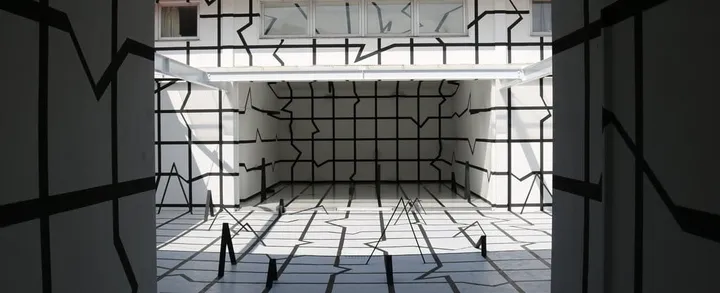
The installation is basically a house with its interior covered in... I'm not sure what it is, but it looks as if white foam (or dough?) spread and expanded all over the entire house, hardened, and turned the building into some sort of white cave.
The result is quite impressive and fun to visit.
Even though pictures are allowed now, it's sometimes difficult to take good ones because there isn't always enough space to find the right angle. It's even more difficult when a group of foreign tourists arrives all at once and doesn't care about you trying to take pictures. (Japanese people are mindful of others taking pictures and take turns. Other nationalities? Not so much). I still managed to take a few acceptable pictures.
Enjoy!
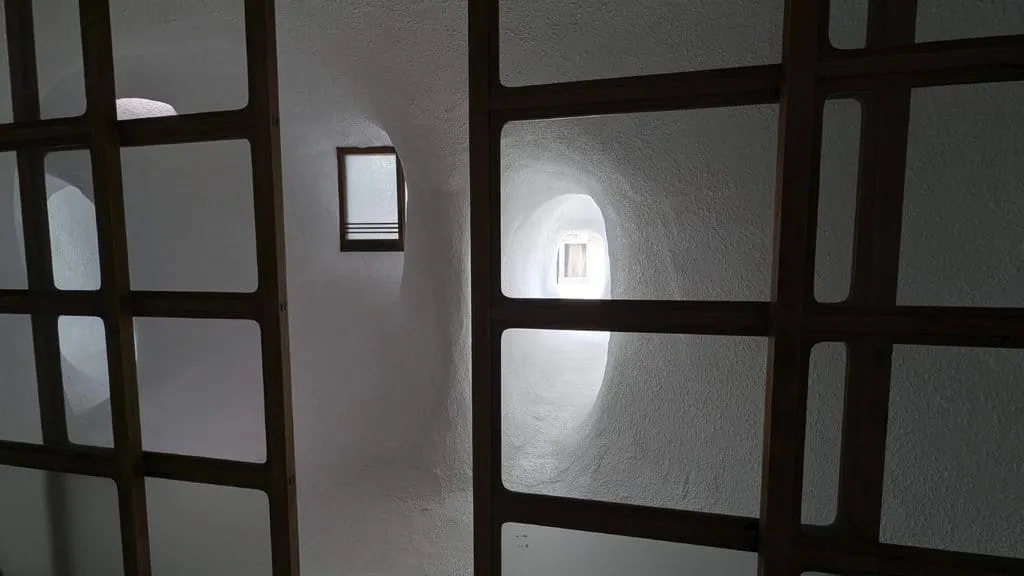
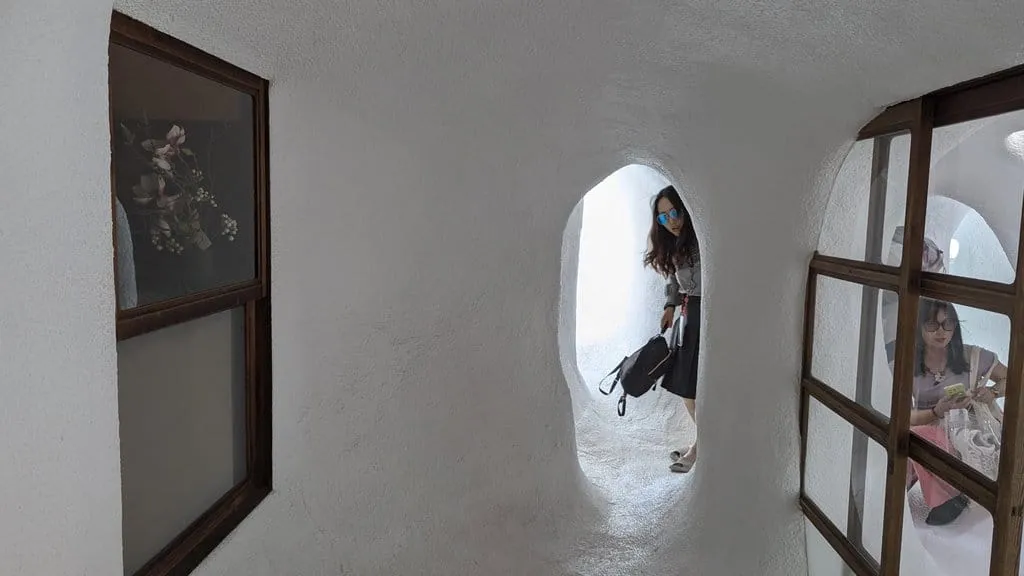
One of the most picturesque parts of the house was near the entrance, but it was nearly impossible to take a picture without someone in the frame. This lady especially wouldn't move, ignoring all hints. Oh well, she earned a spot on this blog whether she wanted it or not.
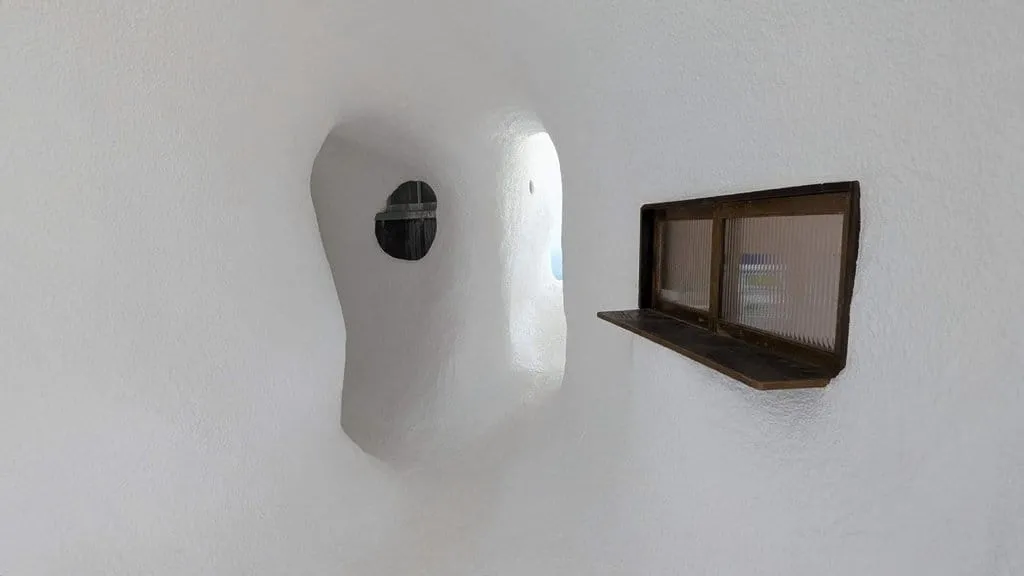
What made the installation so great was that some parts of the original house still remained here and there.
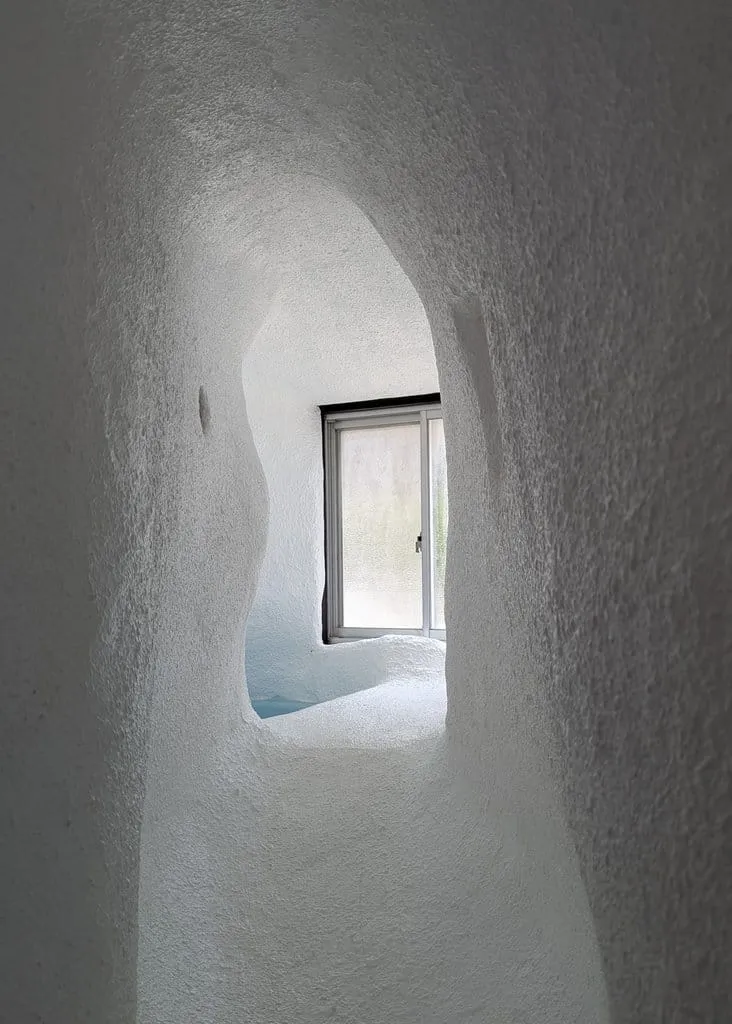
There is a bathtub at the end of this narrow corridor, but only a child or petite person can reach it. Definitely not me!
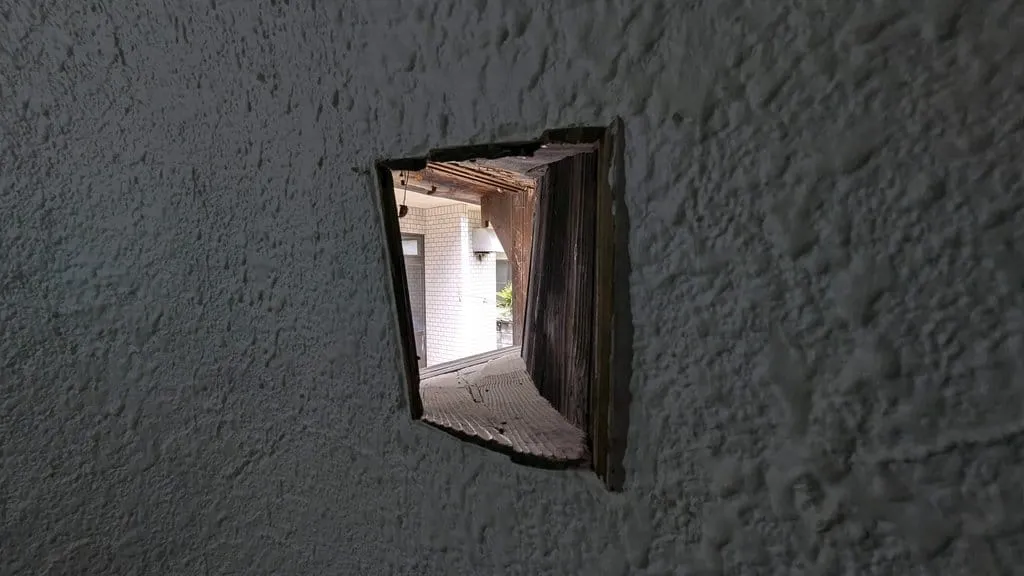
There are also a few "windows" in some rooms that allow you to spy on what's happening outside the house.
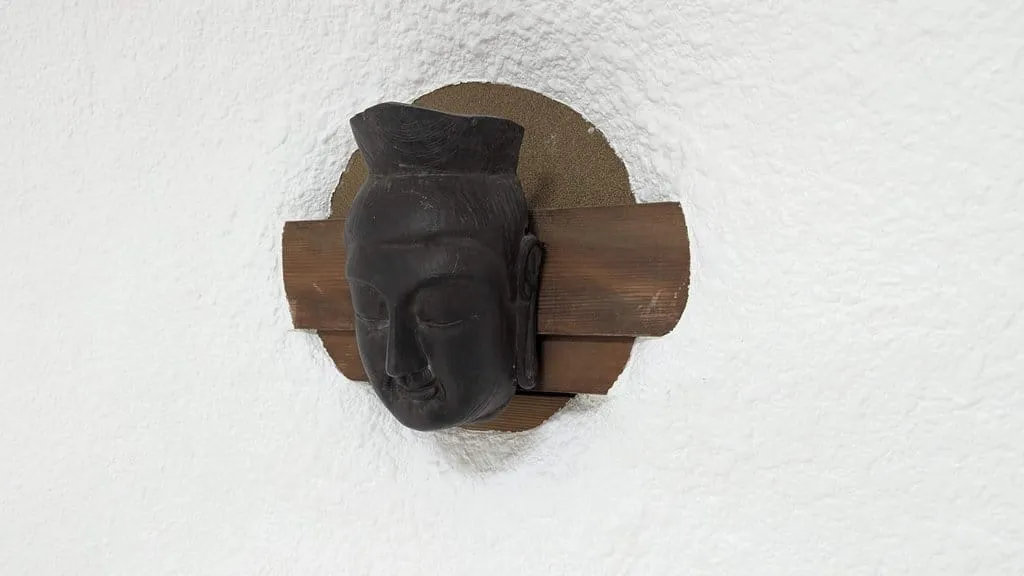
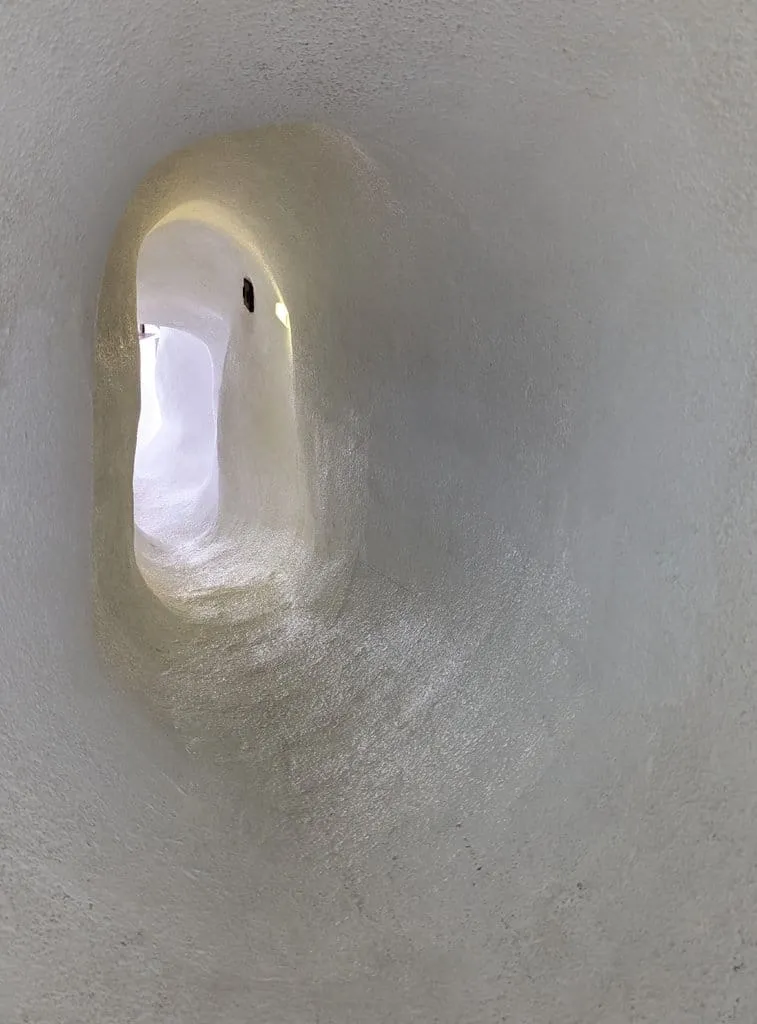
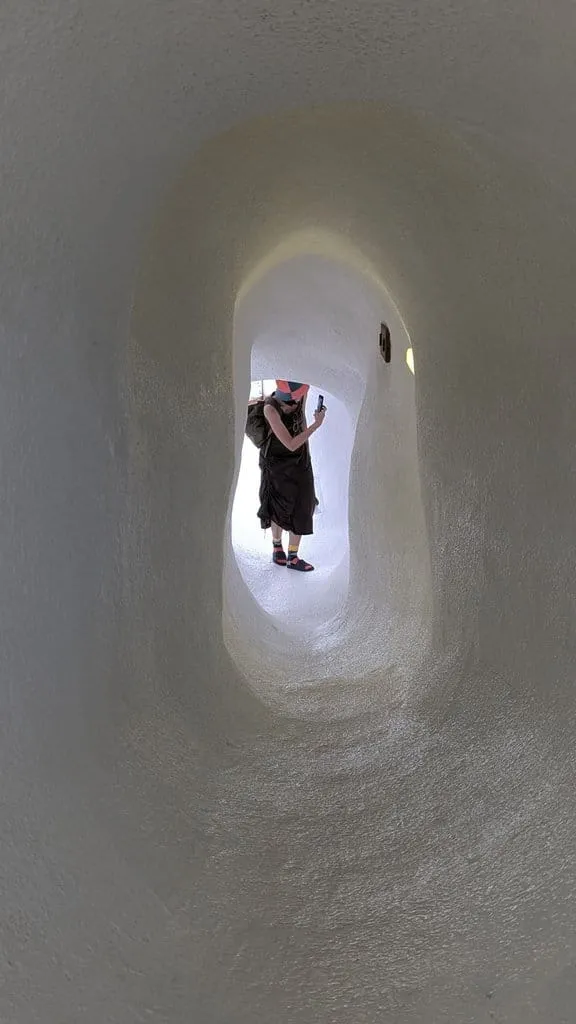
What do you think?
Maze Town - Phantasmagoric Alleys has been a permanent feature of the Setouchi Triennale since 2016, and I expect it will still be open in 2028. Currently, like many artworks on the Setouchi Islands, it is open one weekend a month (usually the second weekend) and on some holidays.
The artists:

- Haruka Kojin's Instagram (if her name sounds familiar to you, it's probably because she used to have two artworks on Inujima and she still has one over there)
- Kenji Minamigawa's Instagram
- Chubei Yagyu's official website (he's a native of Shodoshima, and he's the director of the Yokai Museum as well as its main artist)
- Chubei Yaguy's Instagram
Links
Various news articles and blog posts from the past few weeks that I found and that are of interest related to our topics:
 Johnny
 Naomi Pollock, FAIA
 Eliza Jordan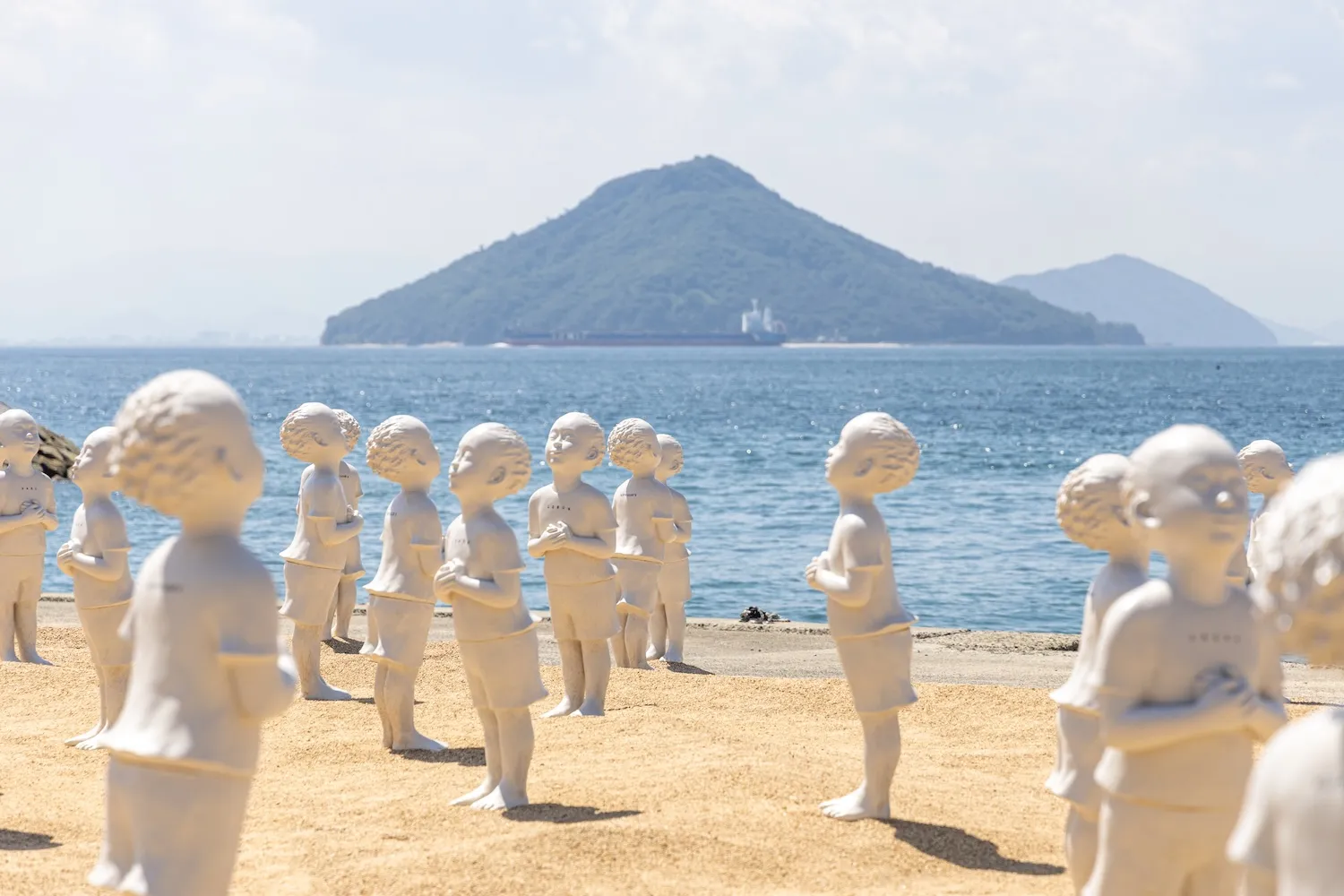
 Sean O’Hagan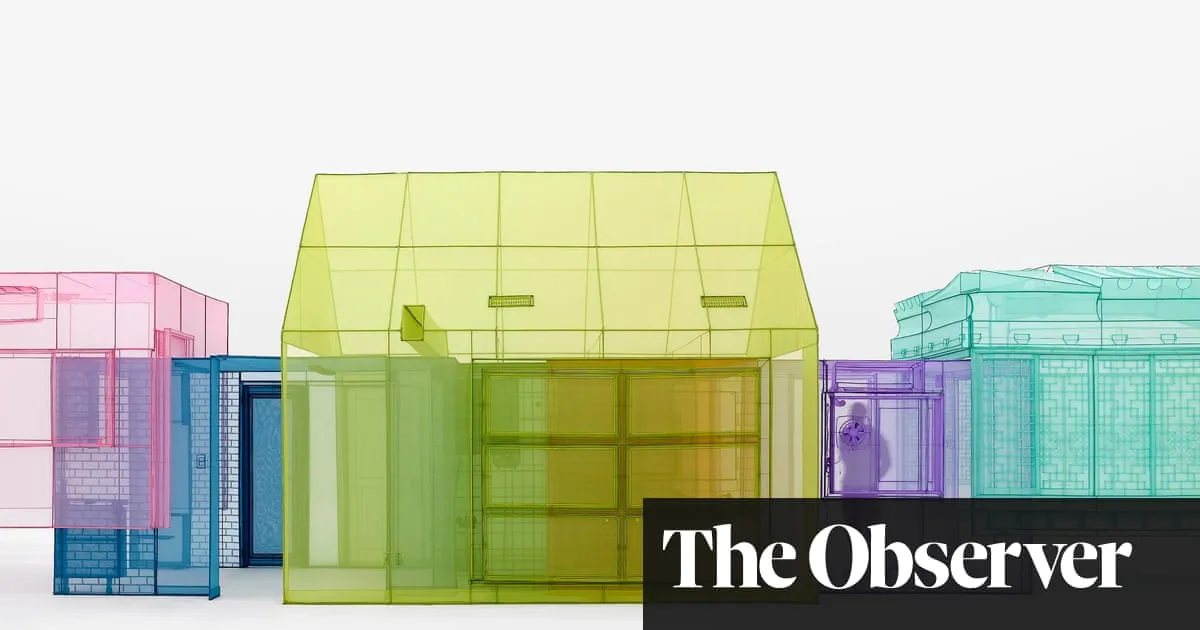
 Sara Barnes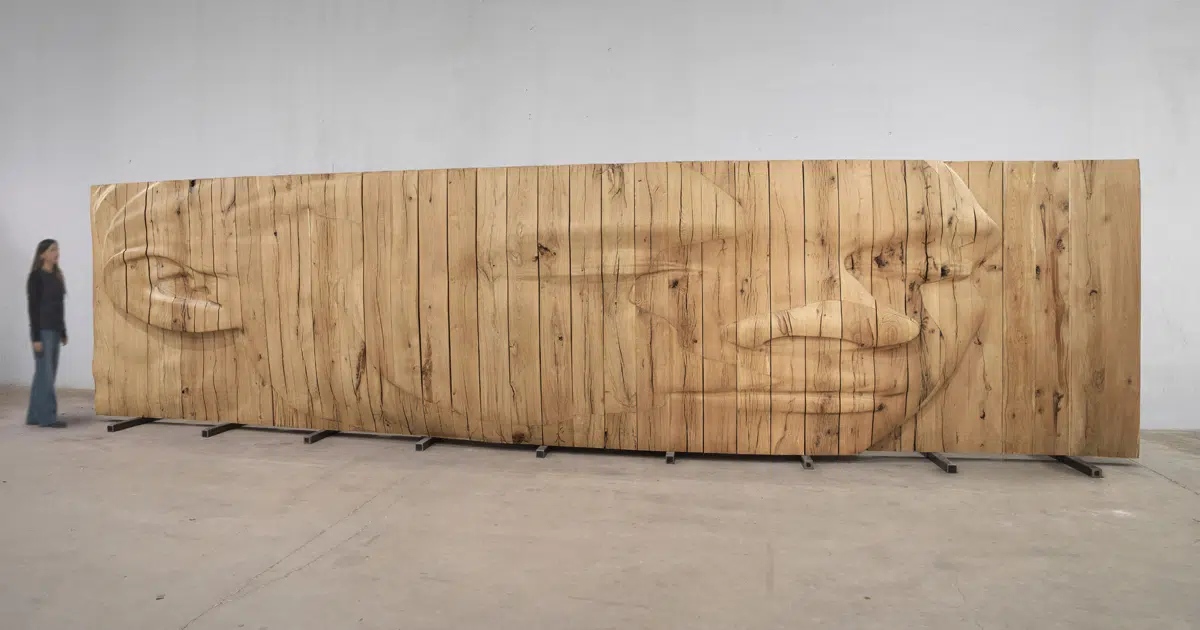

As always, if you enjoyed this post, please share it with your friends and contacts on your preferred platforms. It would mean the world to me, as would your subscription to the newsletter (it's free, although you can also help me pay the bills if you can afford it).
In this day and age, when you can no longer rely on search engines to be discovered, and when the web is becoming increasingly full of AI slop, it's more important than ever to know that you are read and followed by real humans. This is what still motivates me to write online.
Thanks for reading.
Until next time.
Best,
David
Comments ()