
Carcassonne Castle
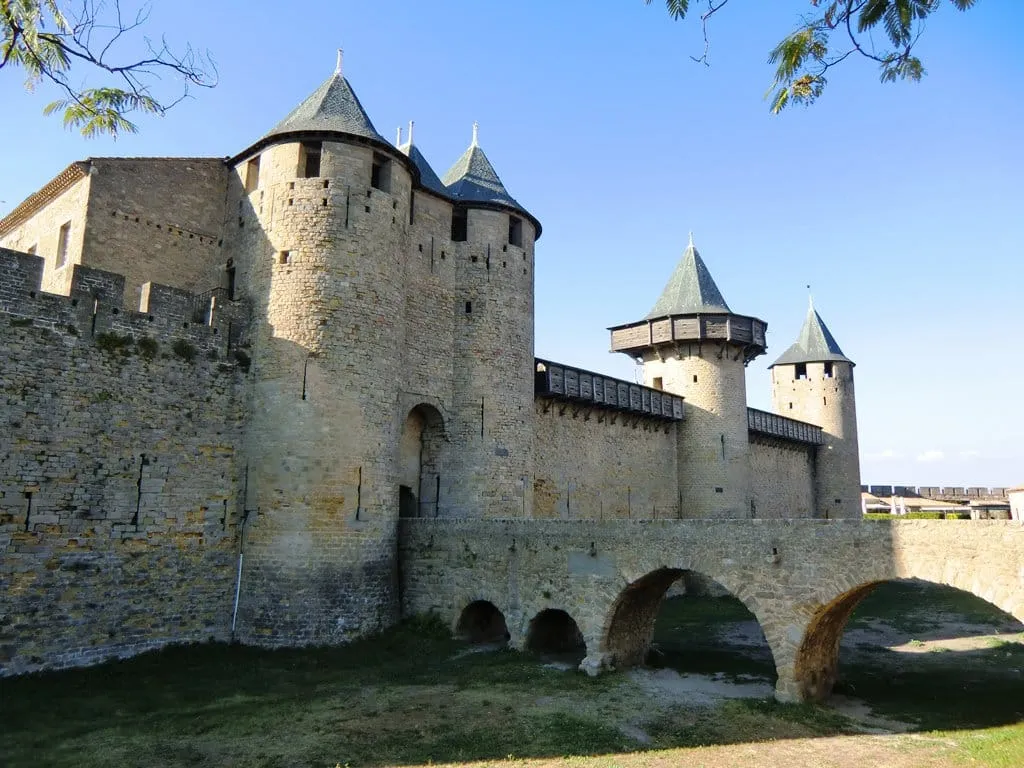
You may have already heard of Carcassonne, located in the Southwest region of France.
In short, it’s a walled medieval city that became important during the Albigensian Crusade and remained so for the rest of the Middle Ages, until the southern border of France moved south to the Pyrénées Mountains. While the city continued to grow outside the walls, the fortress fell into disrepair after it lost its purpose. This changed in the 19th century when Eugène Viollet-le-Duc restored it to its former glory. Carcassonne then became one of the most important medieval sites in France, if not the world. For more details, check the Wikipedia page or the official website.
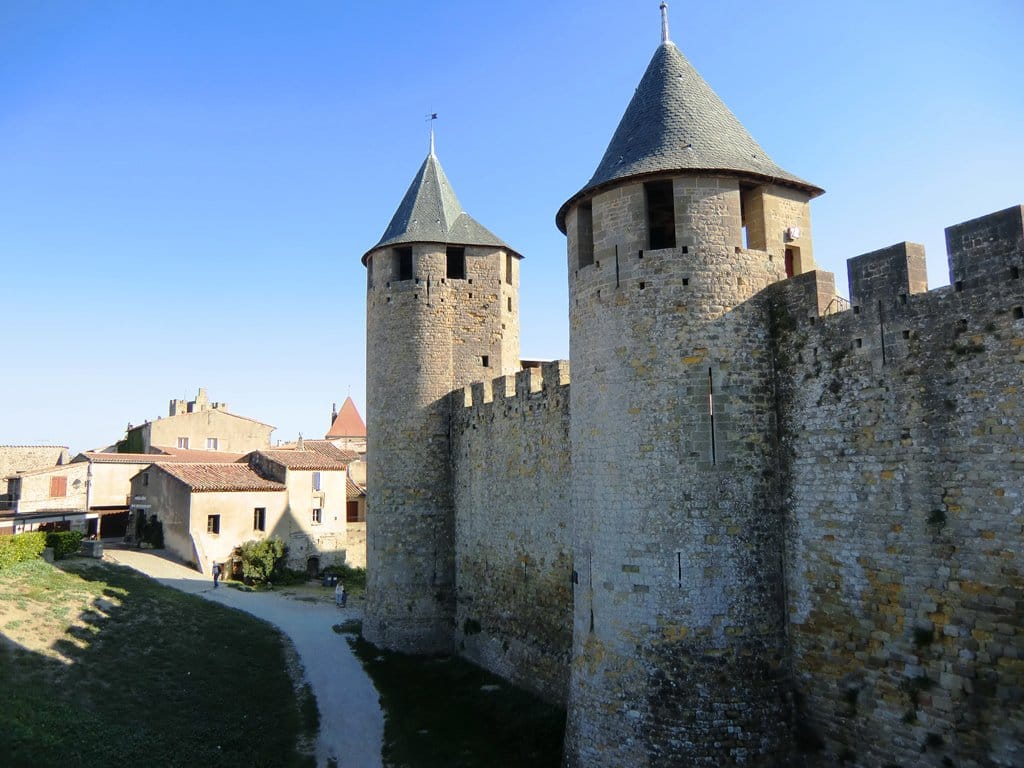
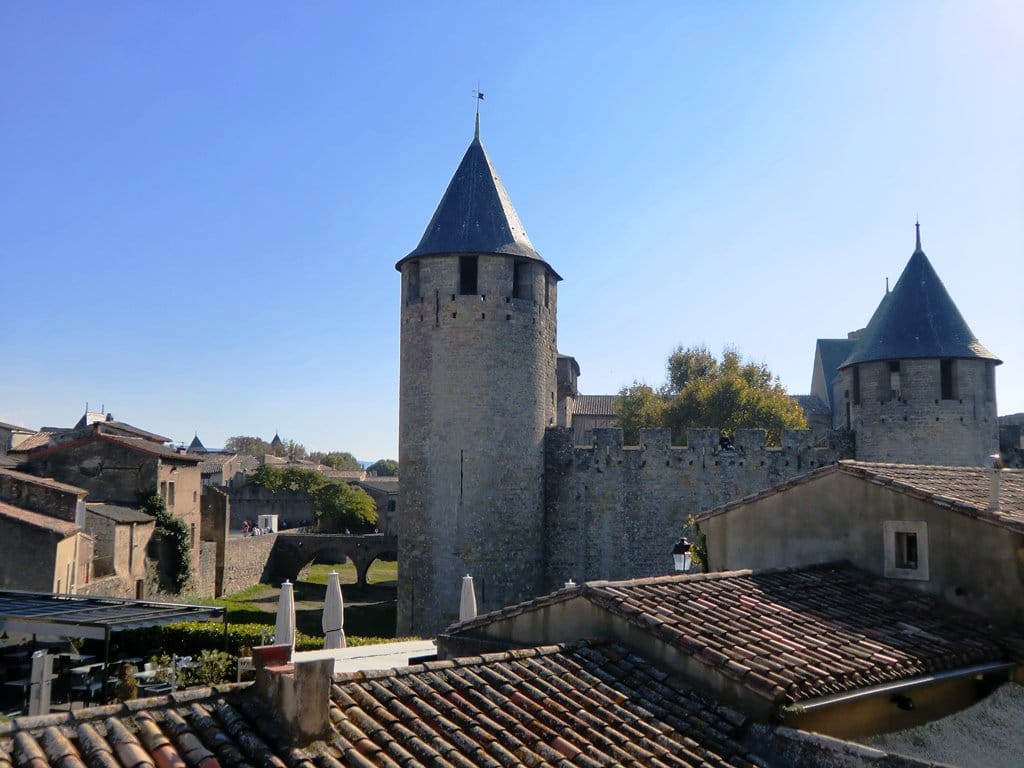
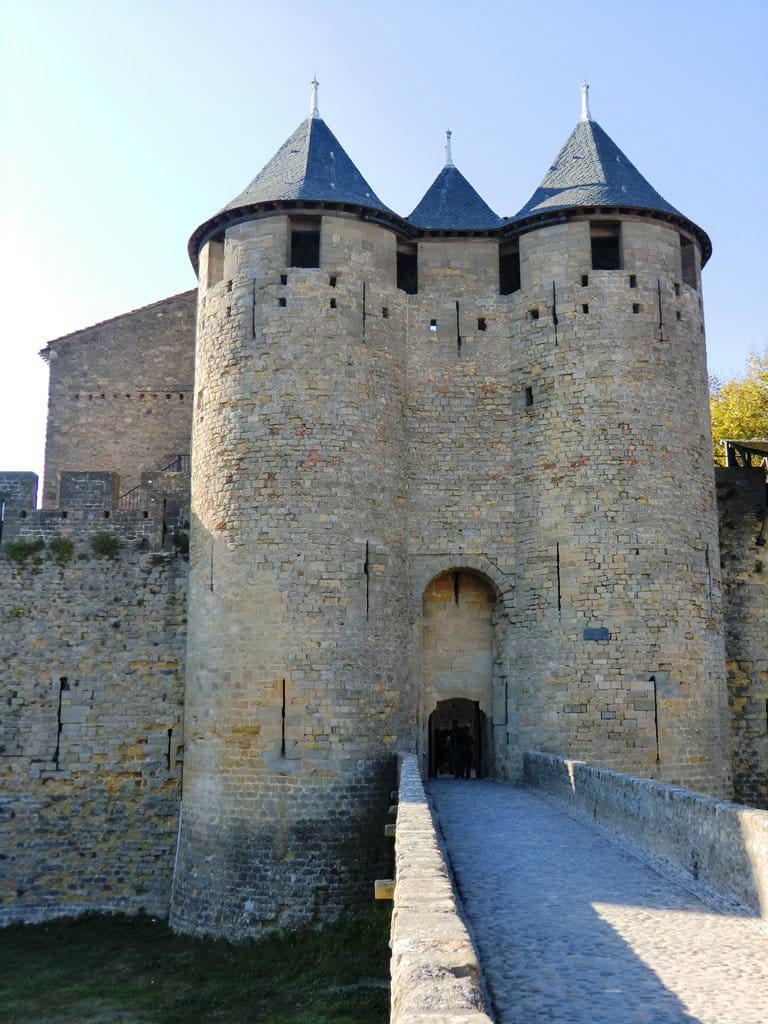
Today, I want to focus on the castle inside the walled city.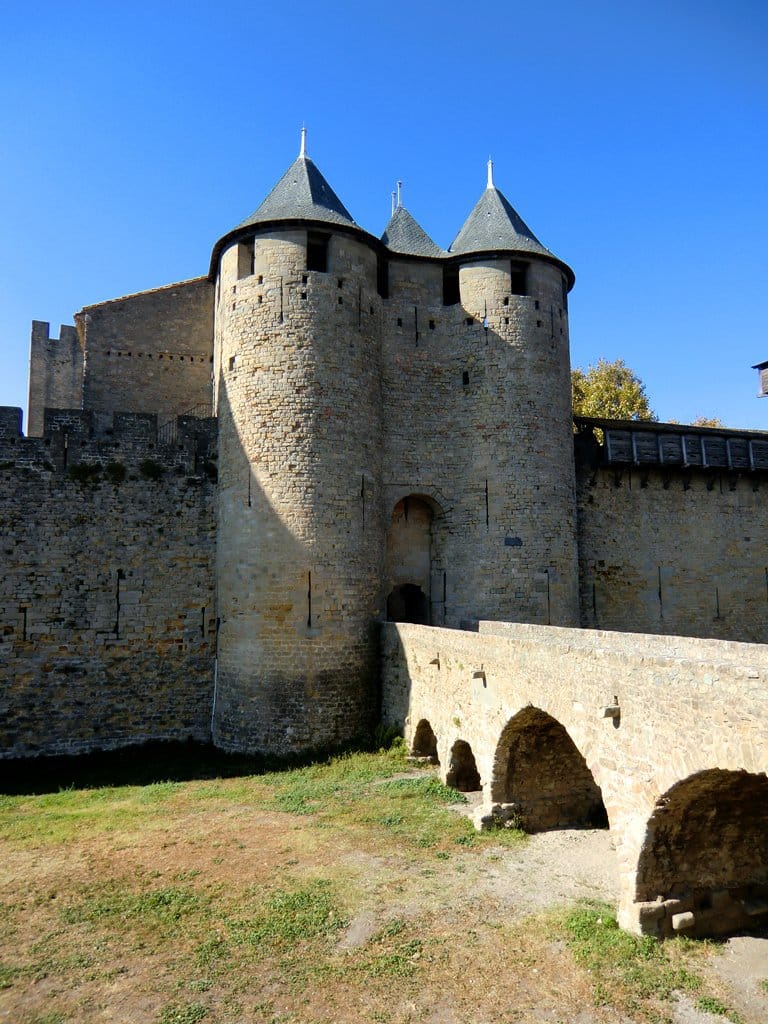
The castle was built on the grounds of much older constructions (dating back to the first century) at the beginning of the twelfth century (circa 1120) by Bernard Aton IV Trencavel, viscount of Carcassonne, Albi, Béziers, Agde, and Nîmes.
The castle belonged to the Trencavel family for about a century until Simon de Montfort seized it by order of King Philippe-Auguste during the Albigensian Crusade.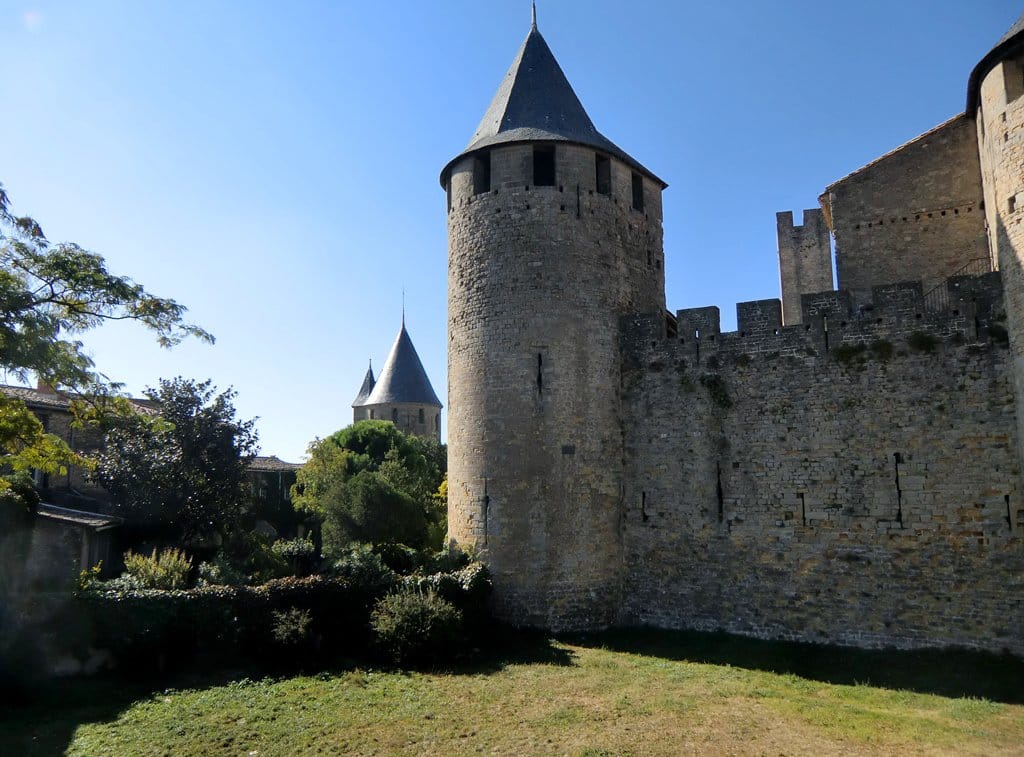
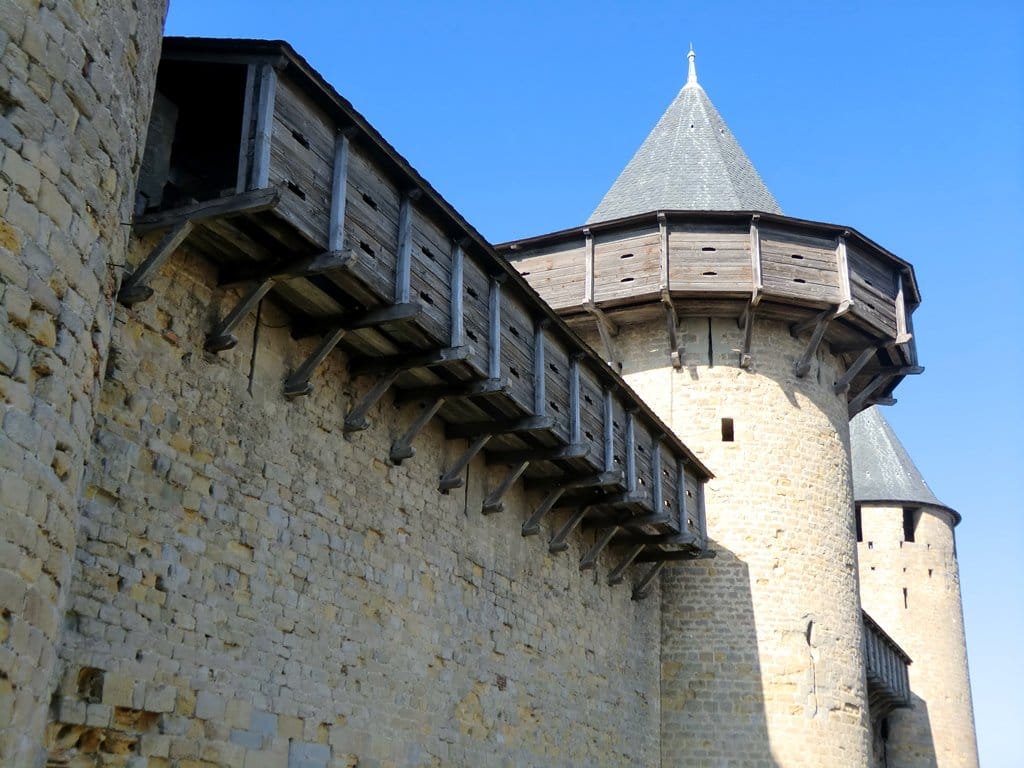
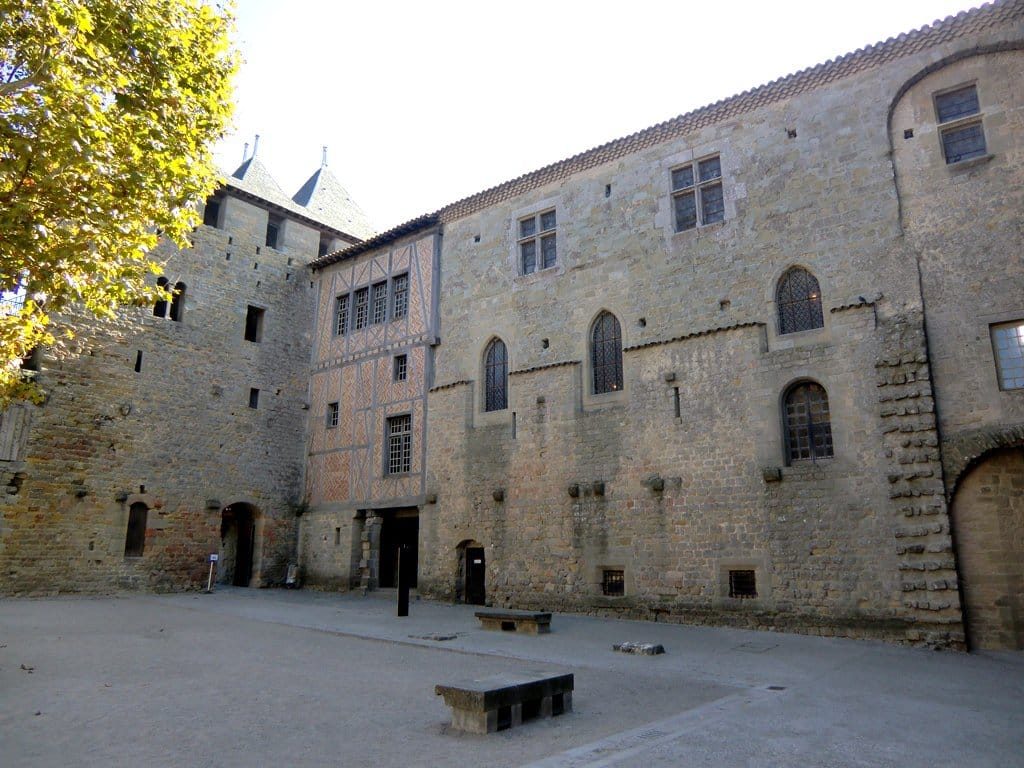
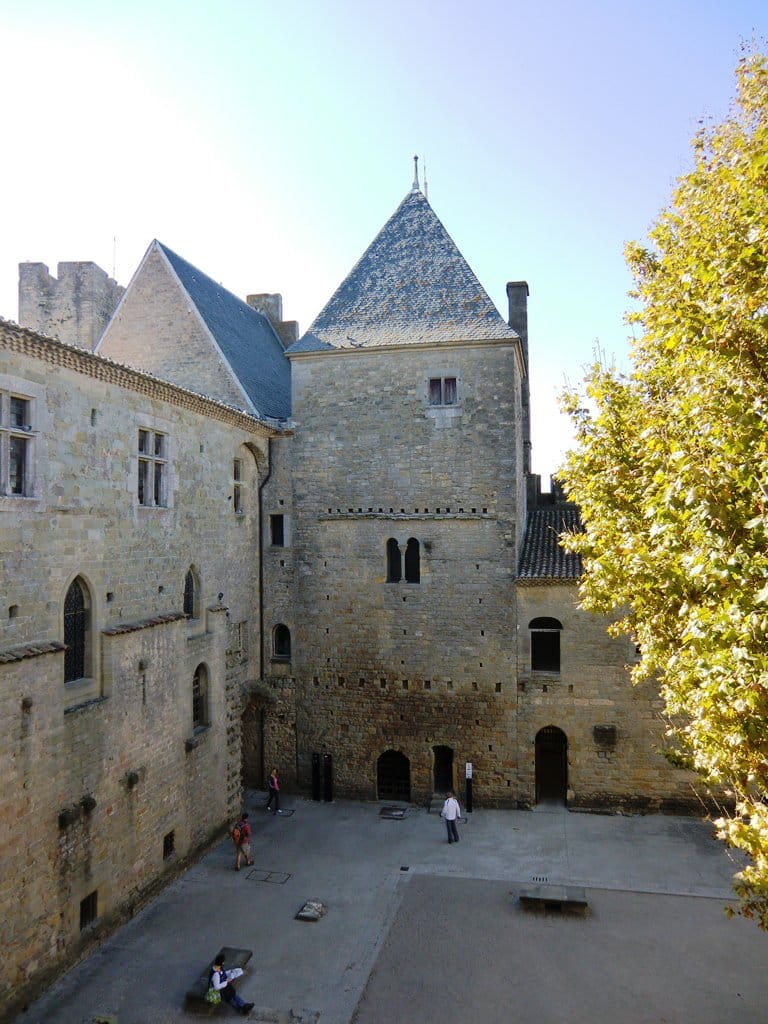
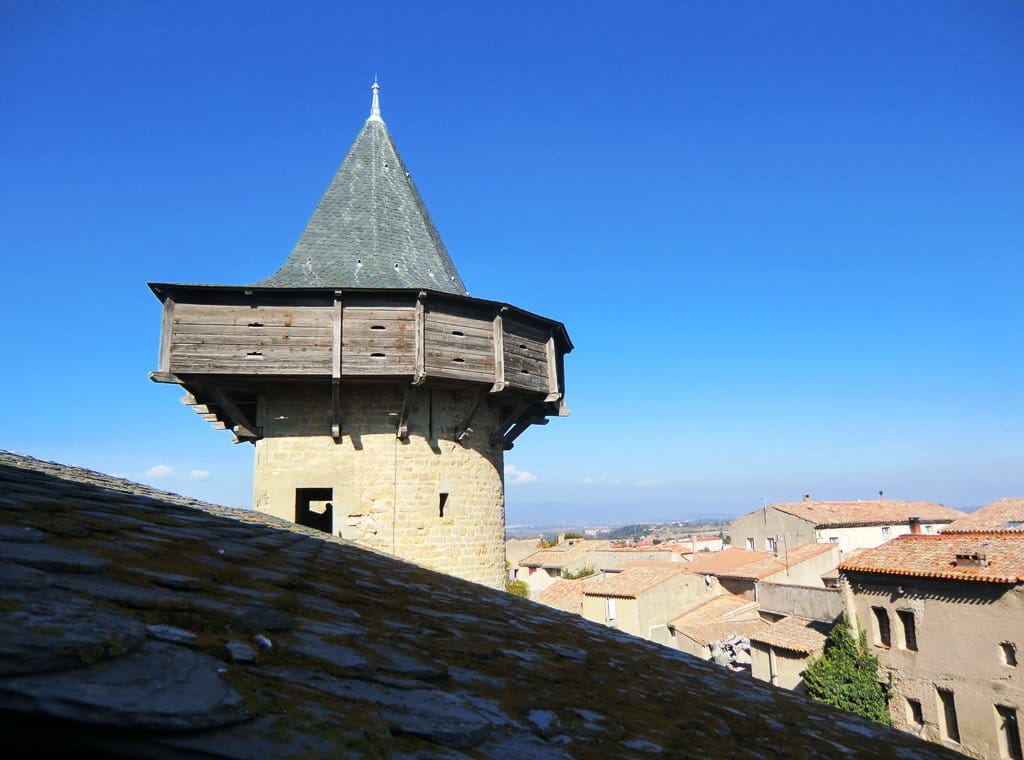
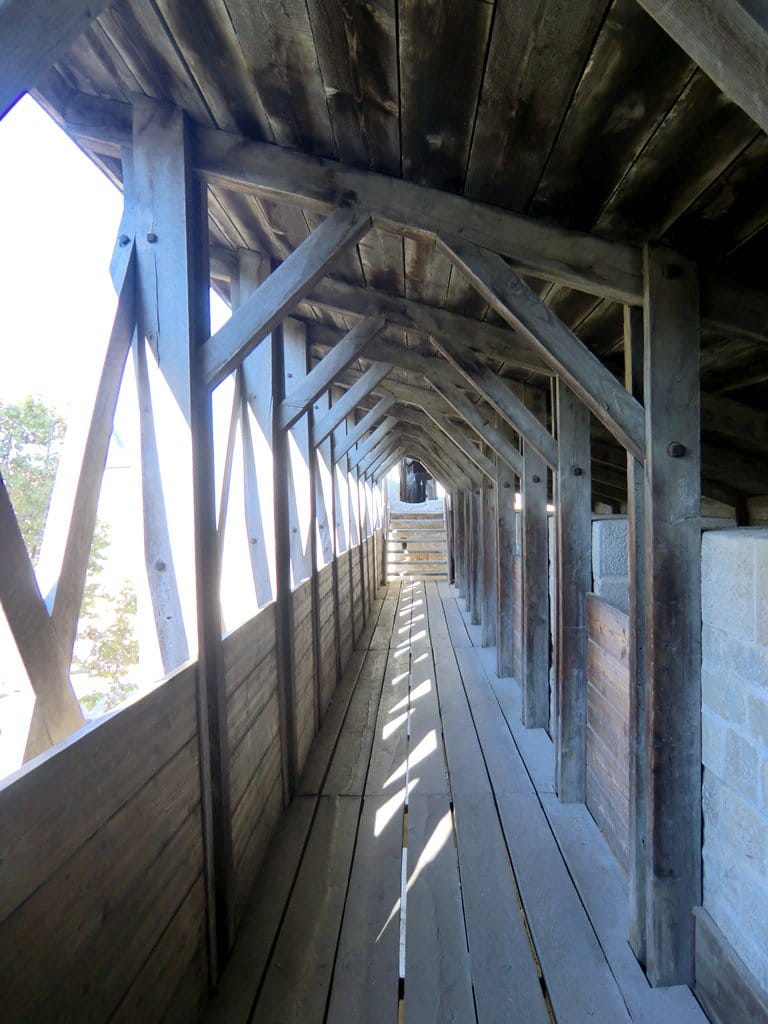
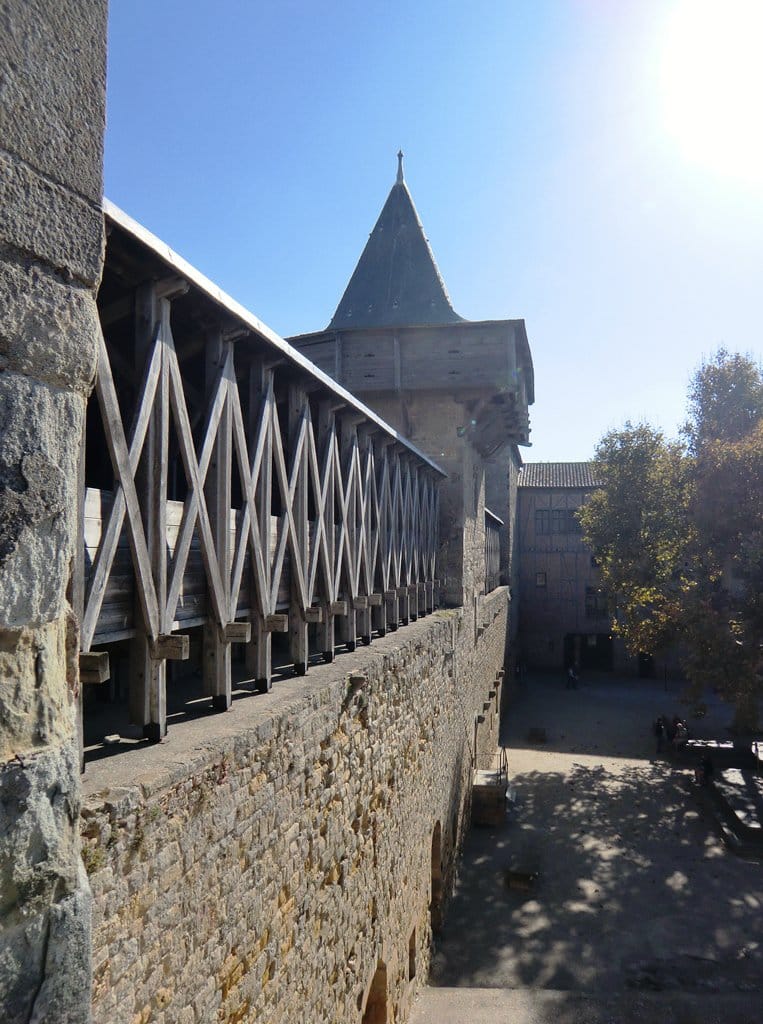
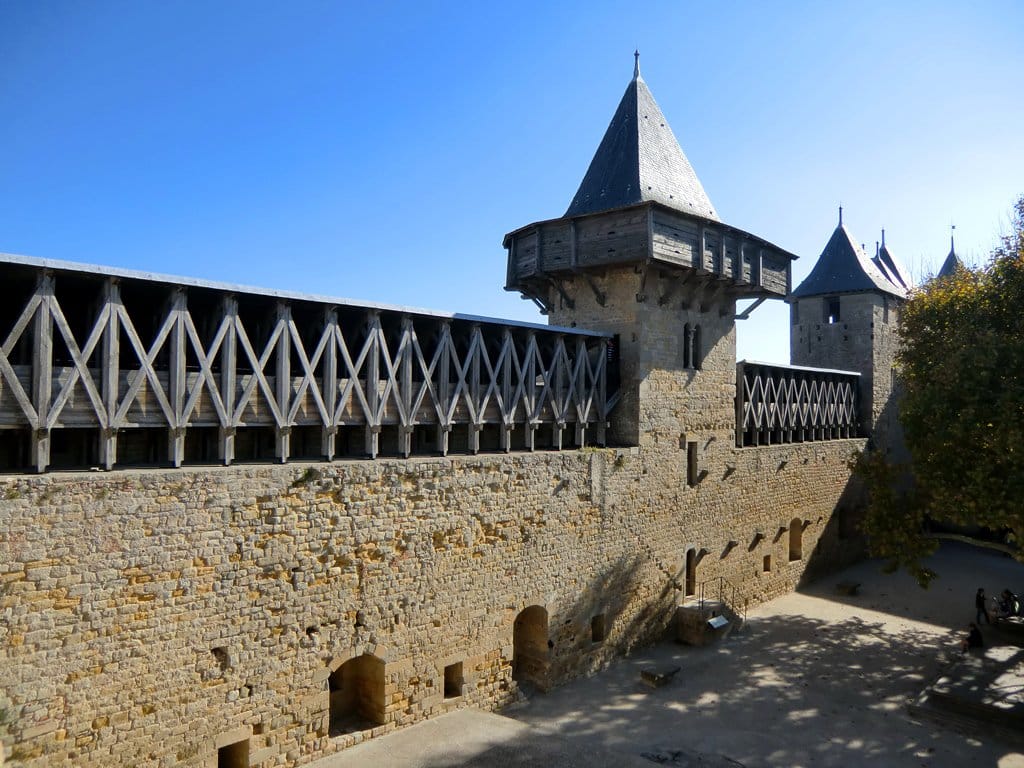
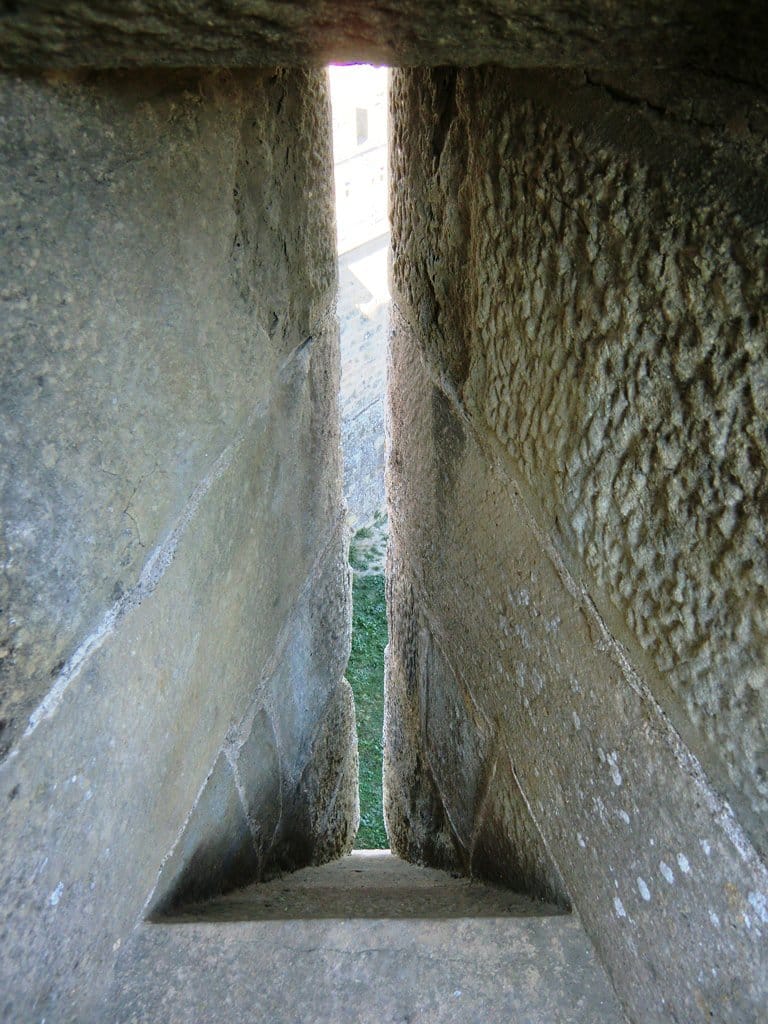
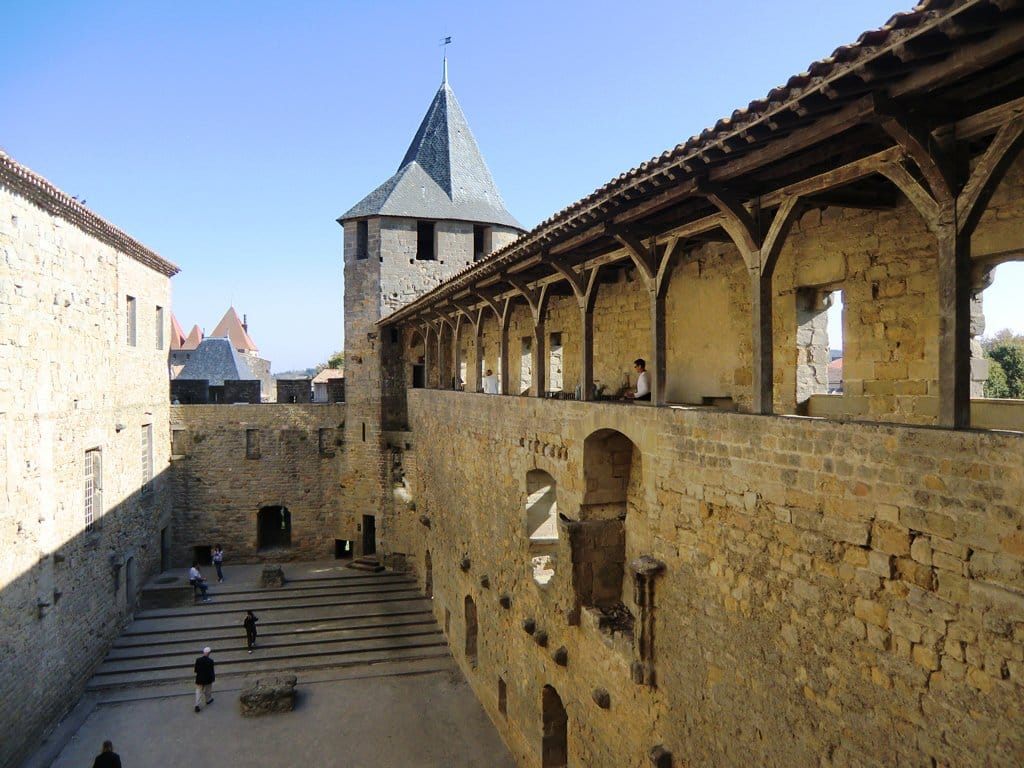
One odd thing about this castle is that it is heavily fortified, even though it is built within the walls of a heavily fortified city. This is because, after Simon de Montfort became Viscount of Carcassonne, the city still needed protection due to its important strategic location, and Simon also needed to protect himself from the local population. He was not popular among the locals because he had committed several massacres in the region during the Crusade.
You may have heard the expression:
"Kill them all, God will recognize his own!"
Well, it's attributed to him. That gives you an idea of the mood at the time.
And when he took the city of Carcassonne from the Cathars, the population wasn’t massacred. According to popular legend, everyone was expelled from the city with nothing but the shirts on their backs. It's a folk tale, but it may not be too far from the truth.
After the end of the Crusade, the castle and the city remained under the king’s control for the following centuries. The castle and city were slowly abandoned in the 17th century when the French border expanded southward and the city lost its military purpose.
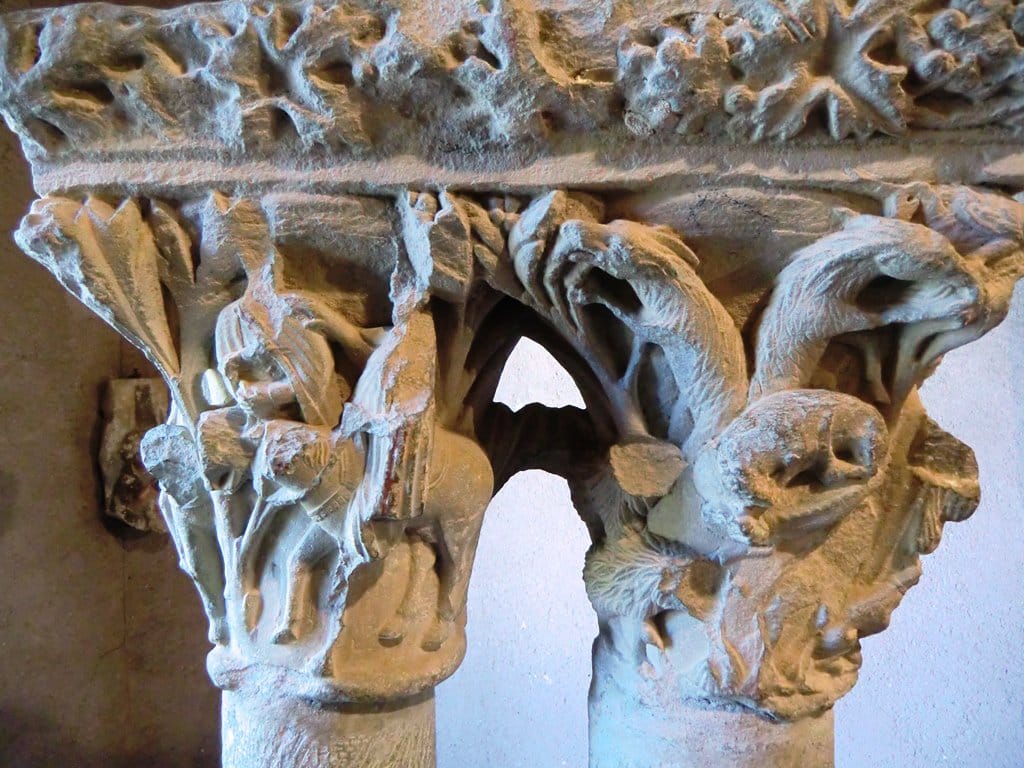
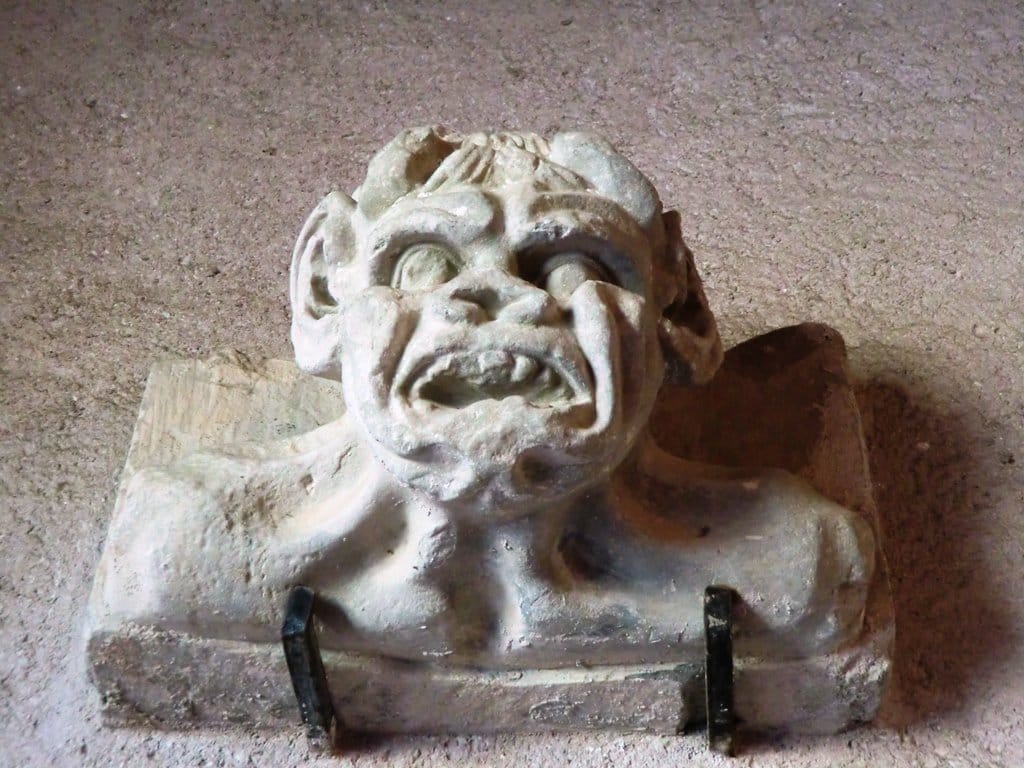
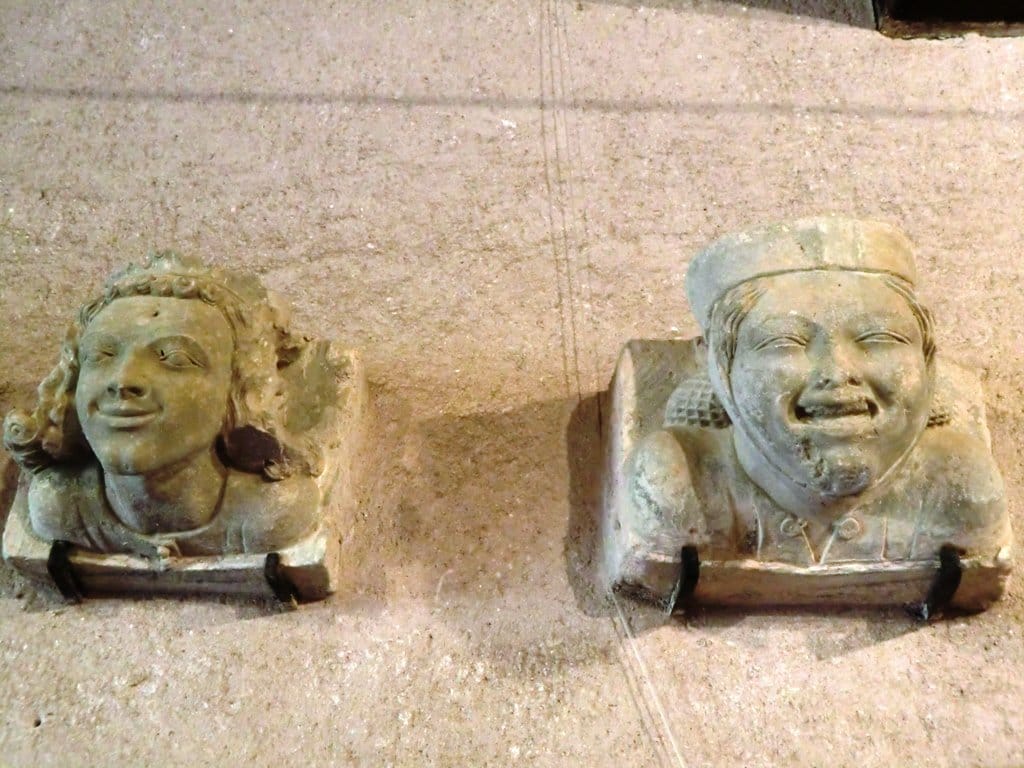
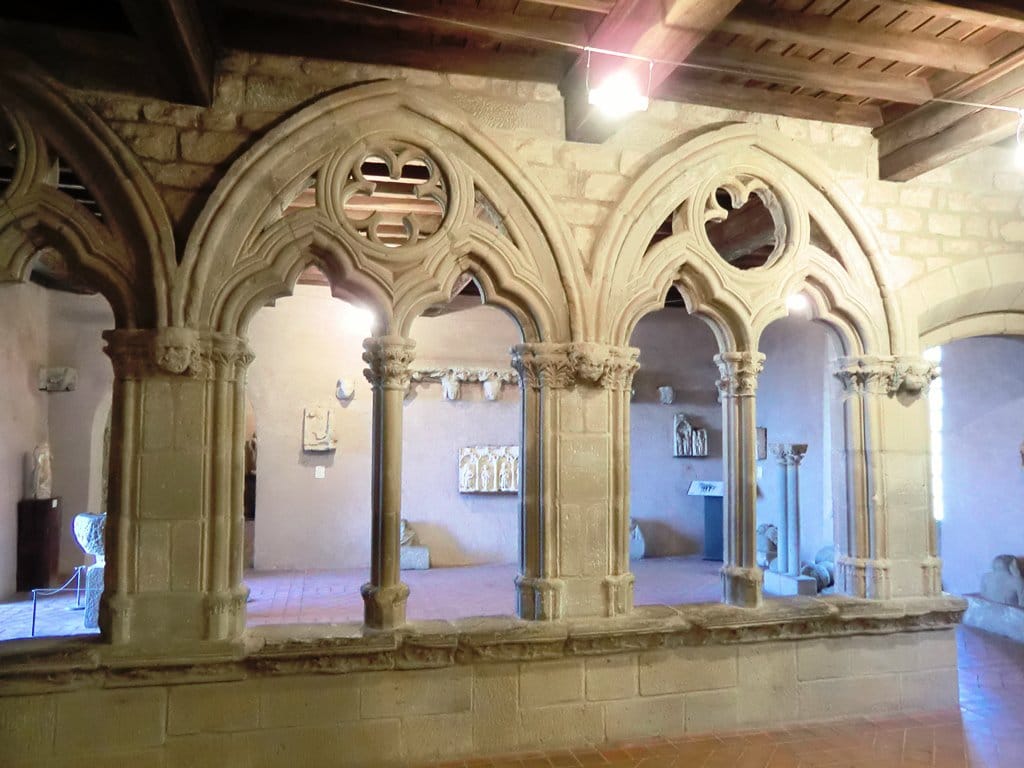
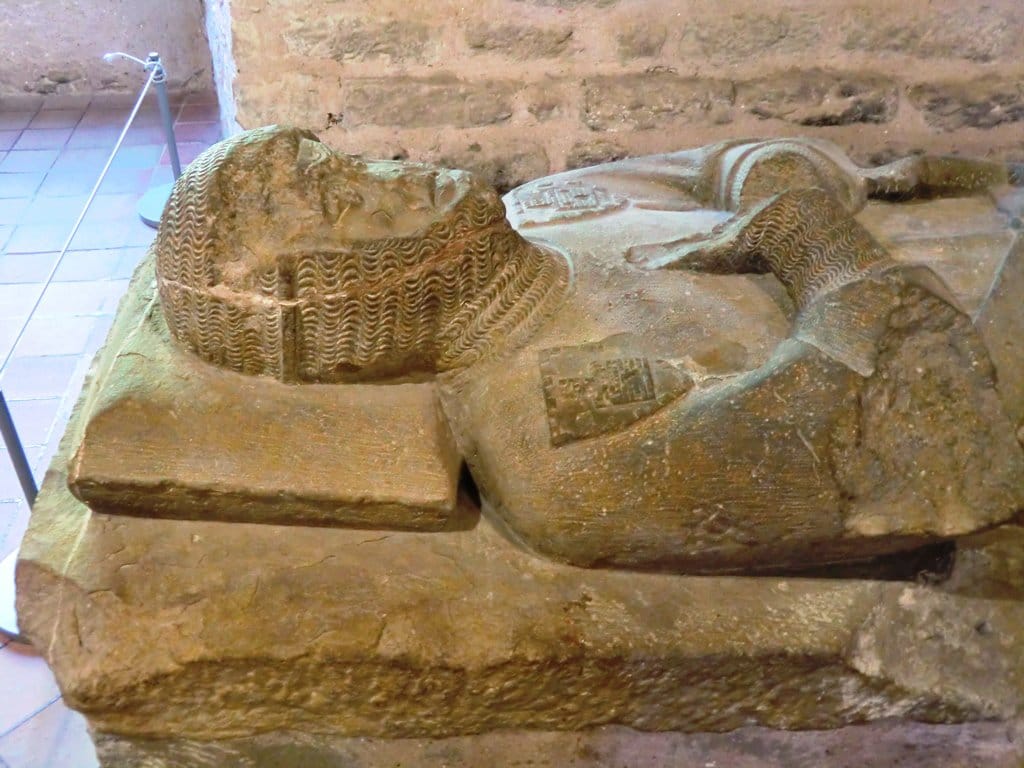
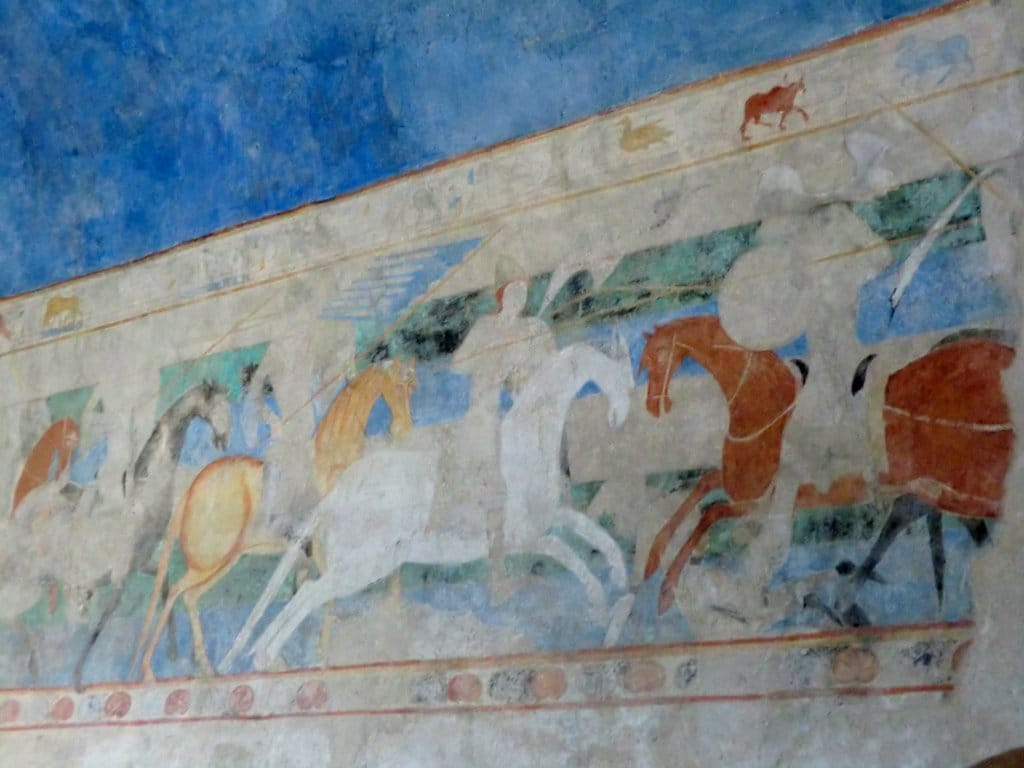
Today, the main building houses a small museum showcasing various elements of the castle found during its renovation in the second half of the 19th century.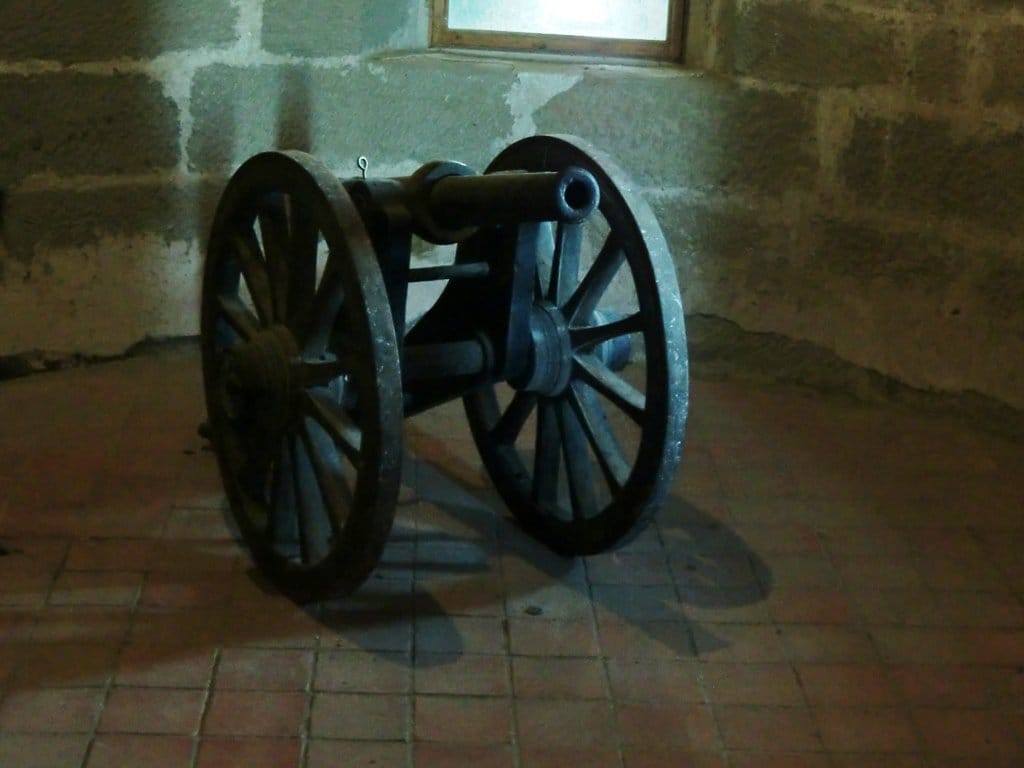
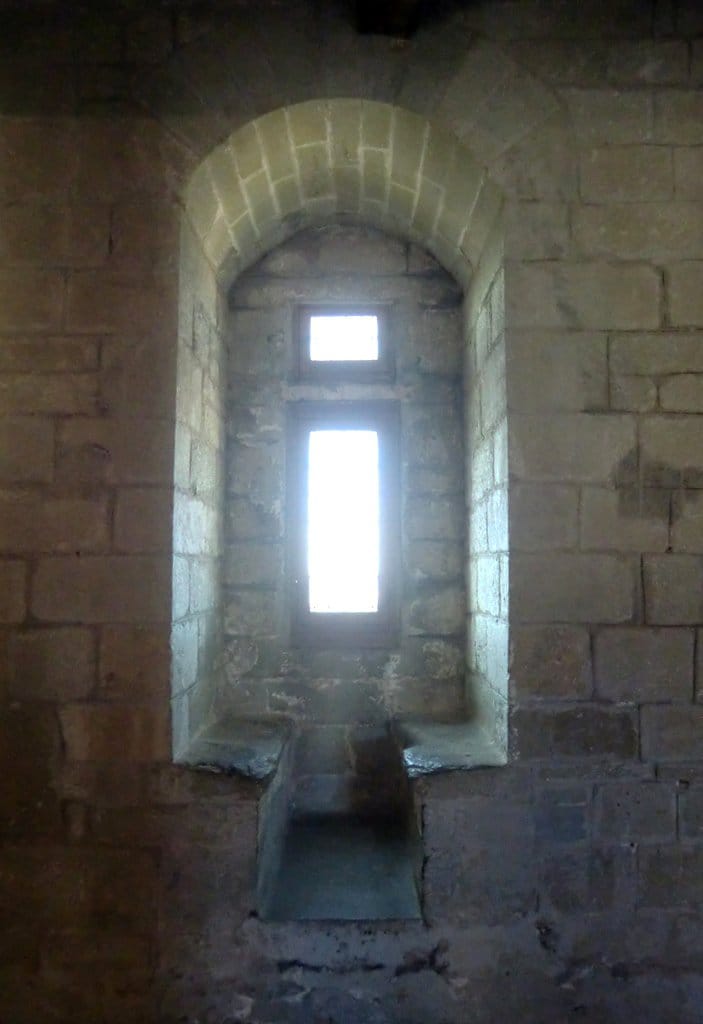
I like this window with a seating area built into the wall. It's a reminder that daylight was a precious indoor commodity at the time.I like this window with a seating area built into the wall.It's a reminder that daylight was a precious indoor commodity at the time.
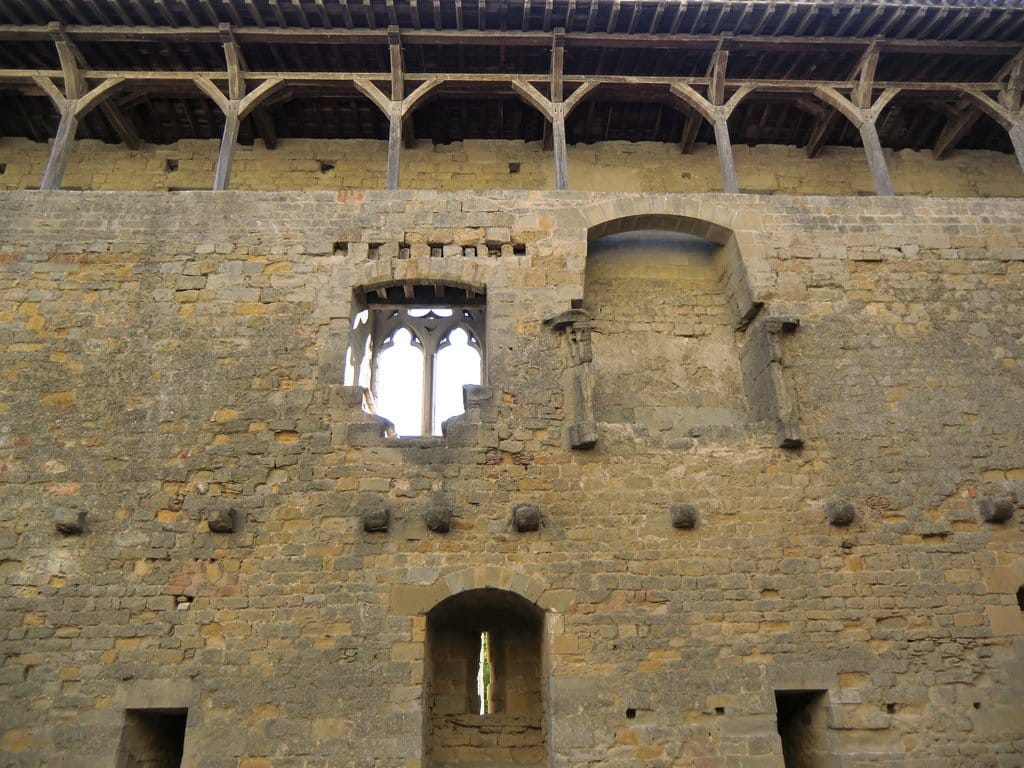
You might be wondering why this window and fireplace are so high up, right? Well...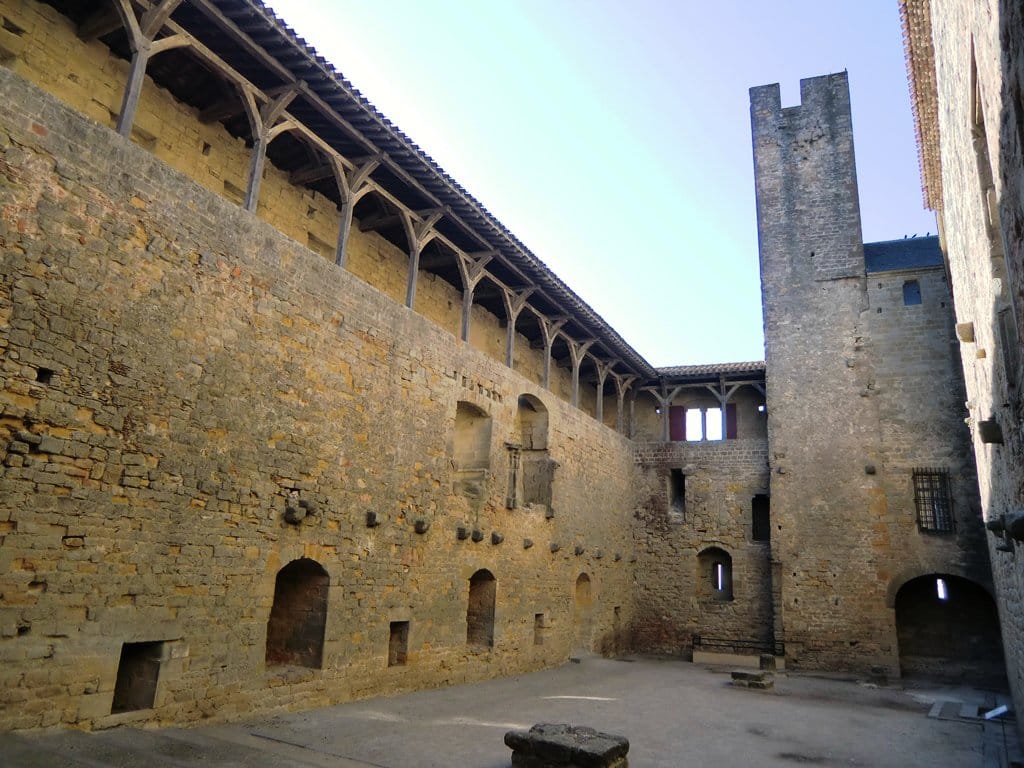
You see, this inner courtyard wasn't actually a courtyard back when people lived in the castle. It was a series of rooms with roofs. However, since the floors were made of wood, they’re gone now.
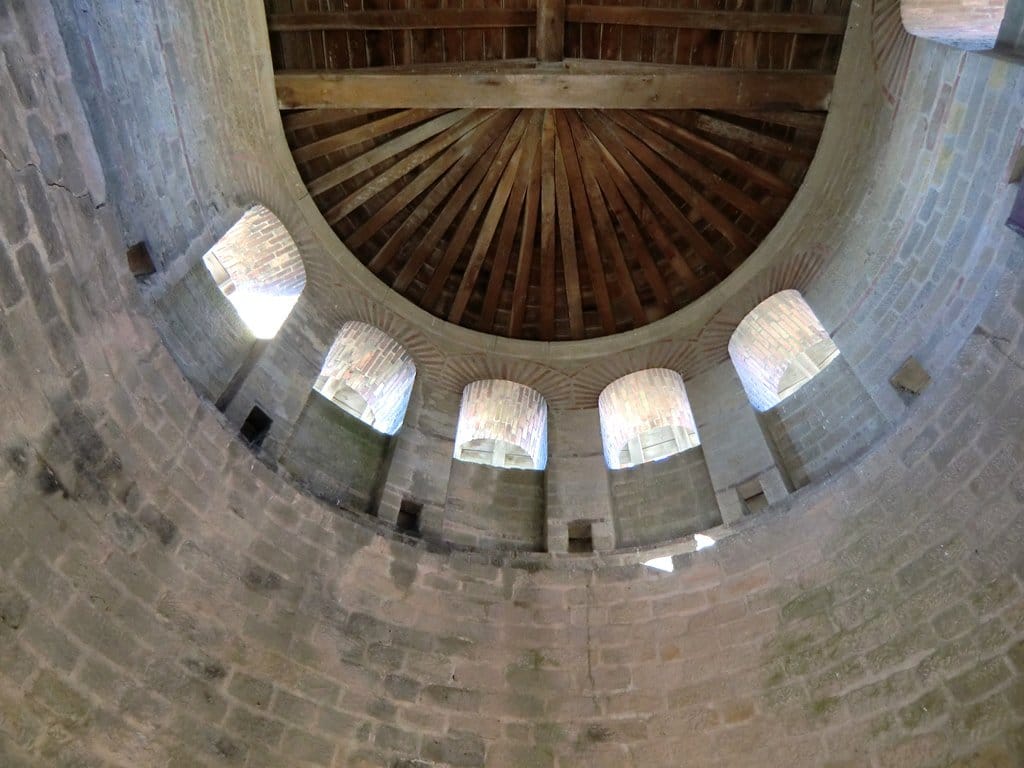
We sometimes think that medieval castles were made entirely of stone. That is far from the truth; wood was also a major component. But it didn’t last as long as stone.
Here is what the place looked like: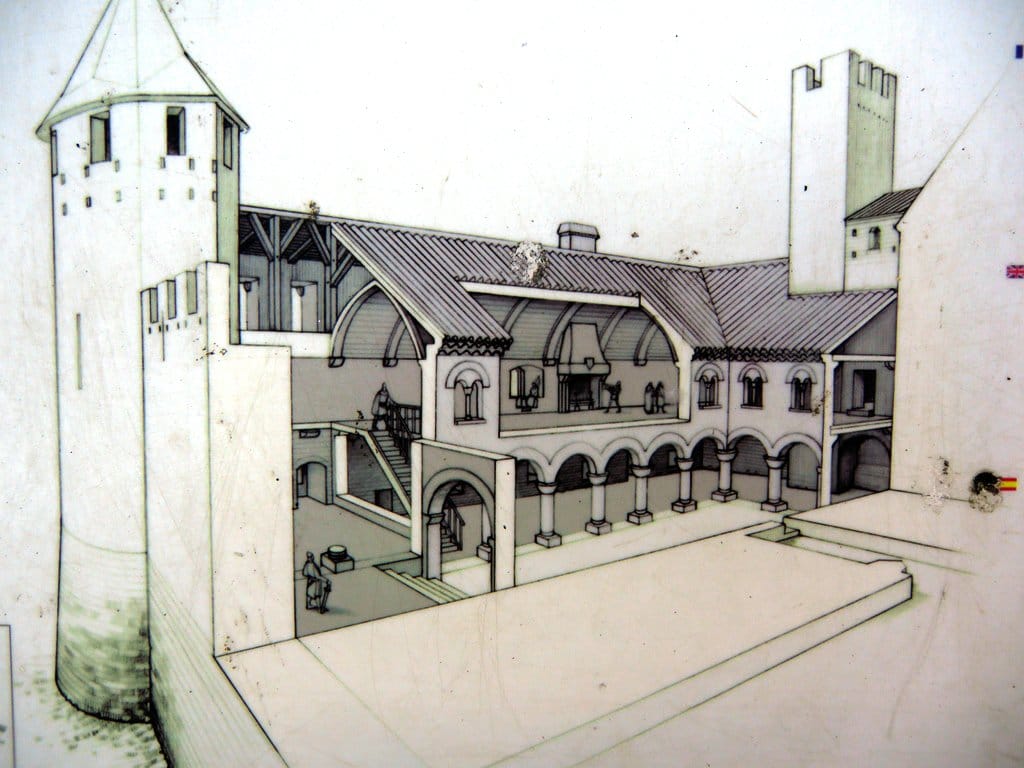
The first/ground floor was some sort of atrium.
The floor above it had regular indoor rooms.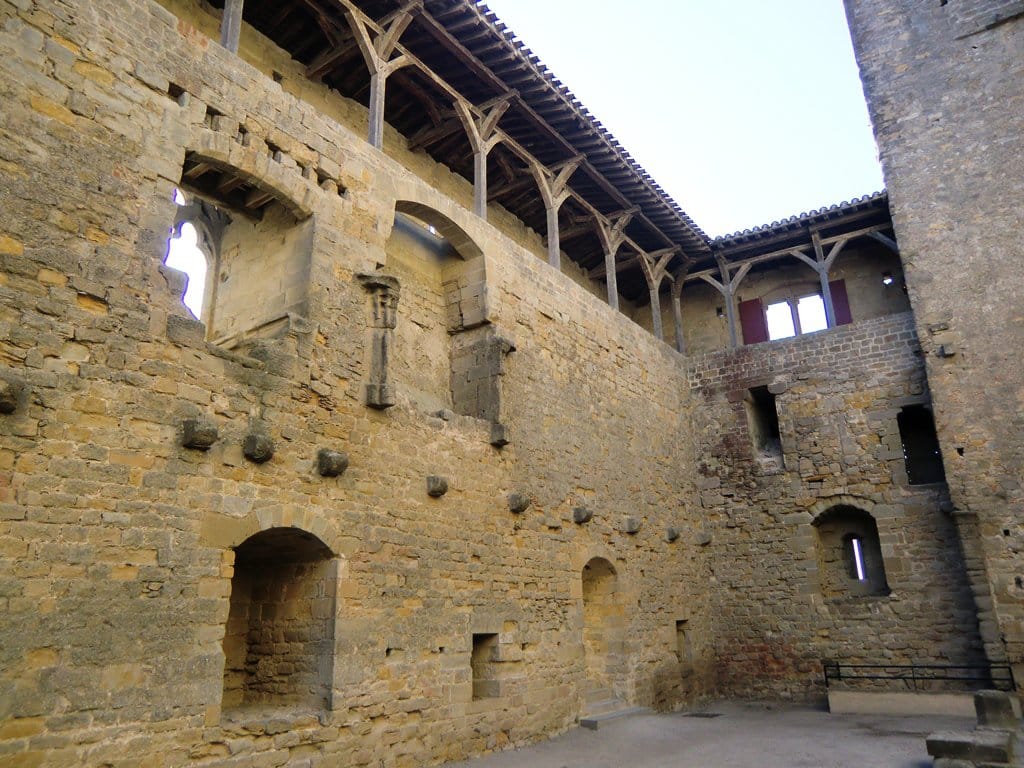
Not bad, right?
If you're ever in the South of France, try to make it one of your destinations — it's worth it!
Stay tuned for a future post about the fortified city surrounding the castle.
I hope to see it again on a future trip to France, too. Keeping my fingers crossed!
And if you liked this post, please share it with your loved ones and contacts on social media.
Thanks for reading.
Best,
David

Comments ()